
Last updated November 15, 2026
 Wrought iron
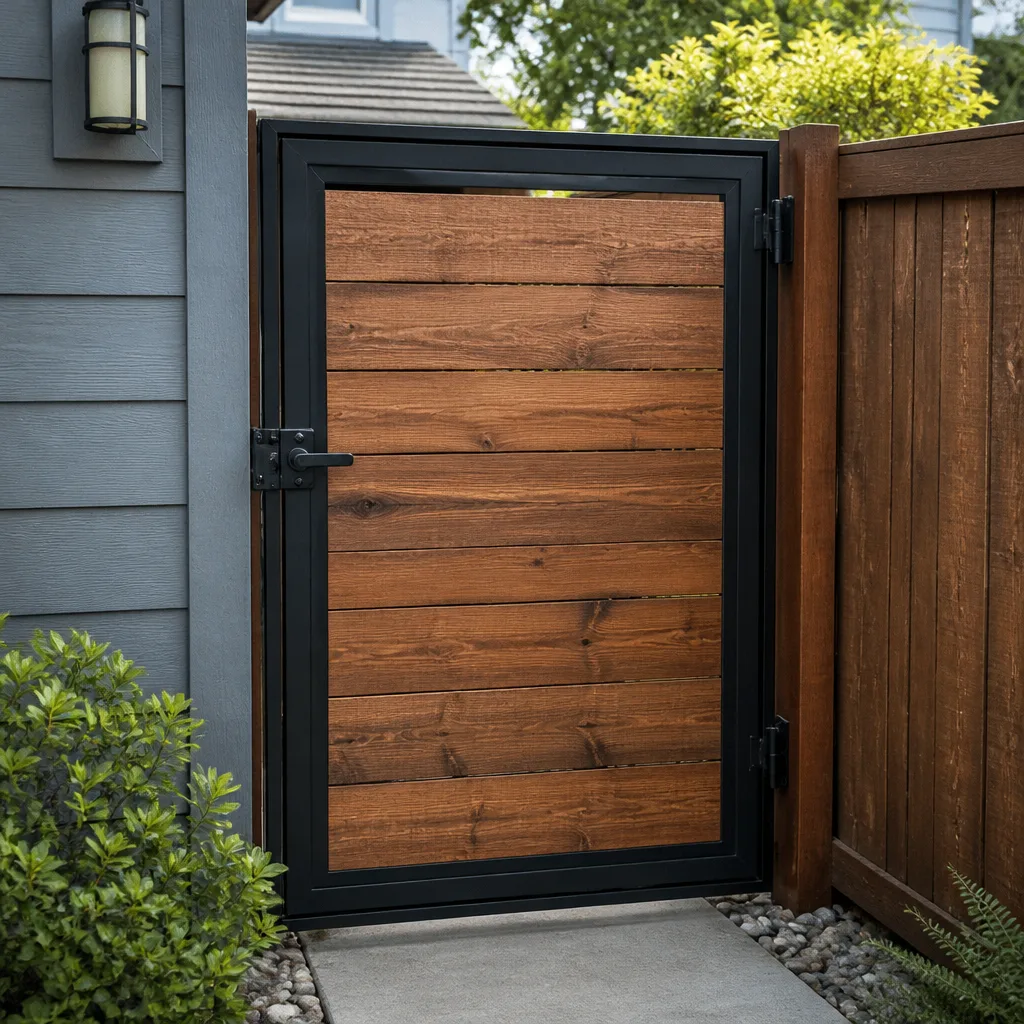 Wood & steel frame
 Farm & ranch
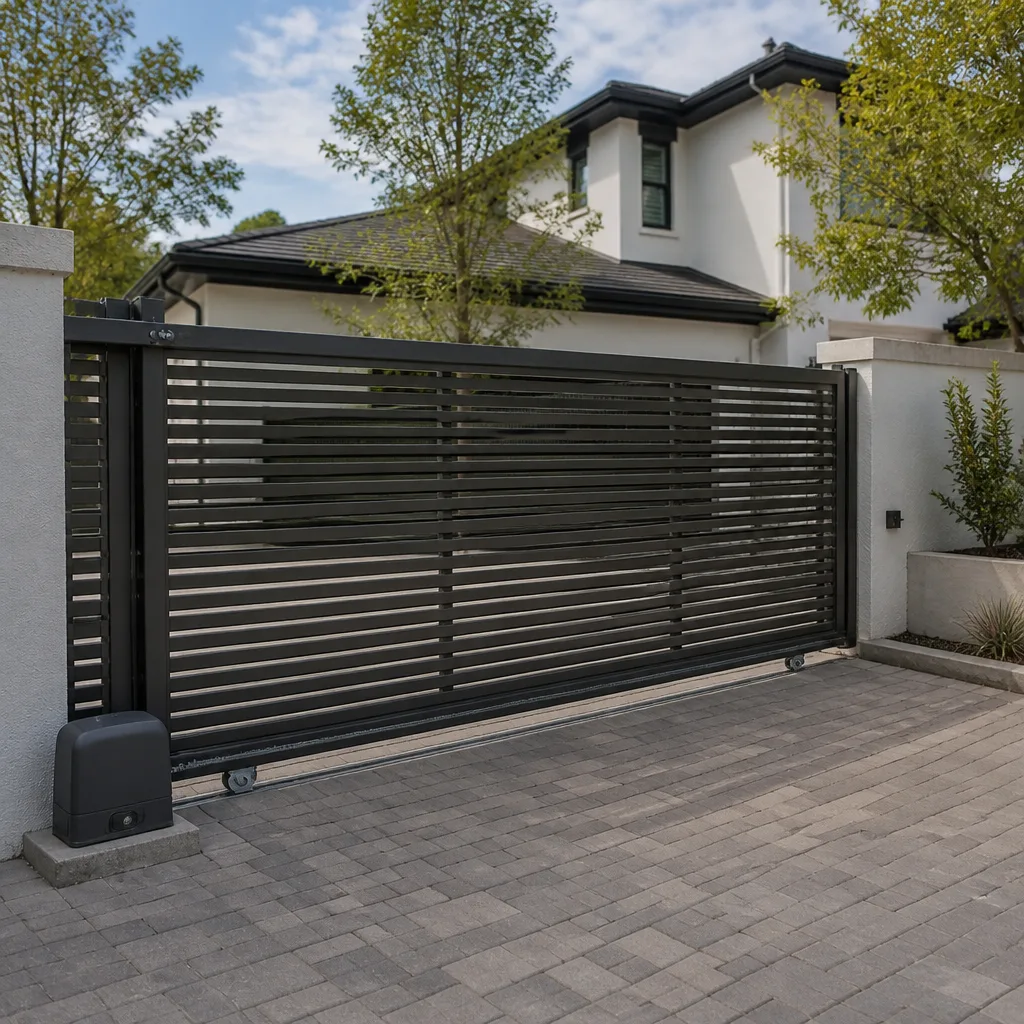 Sliding driveway gates
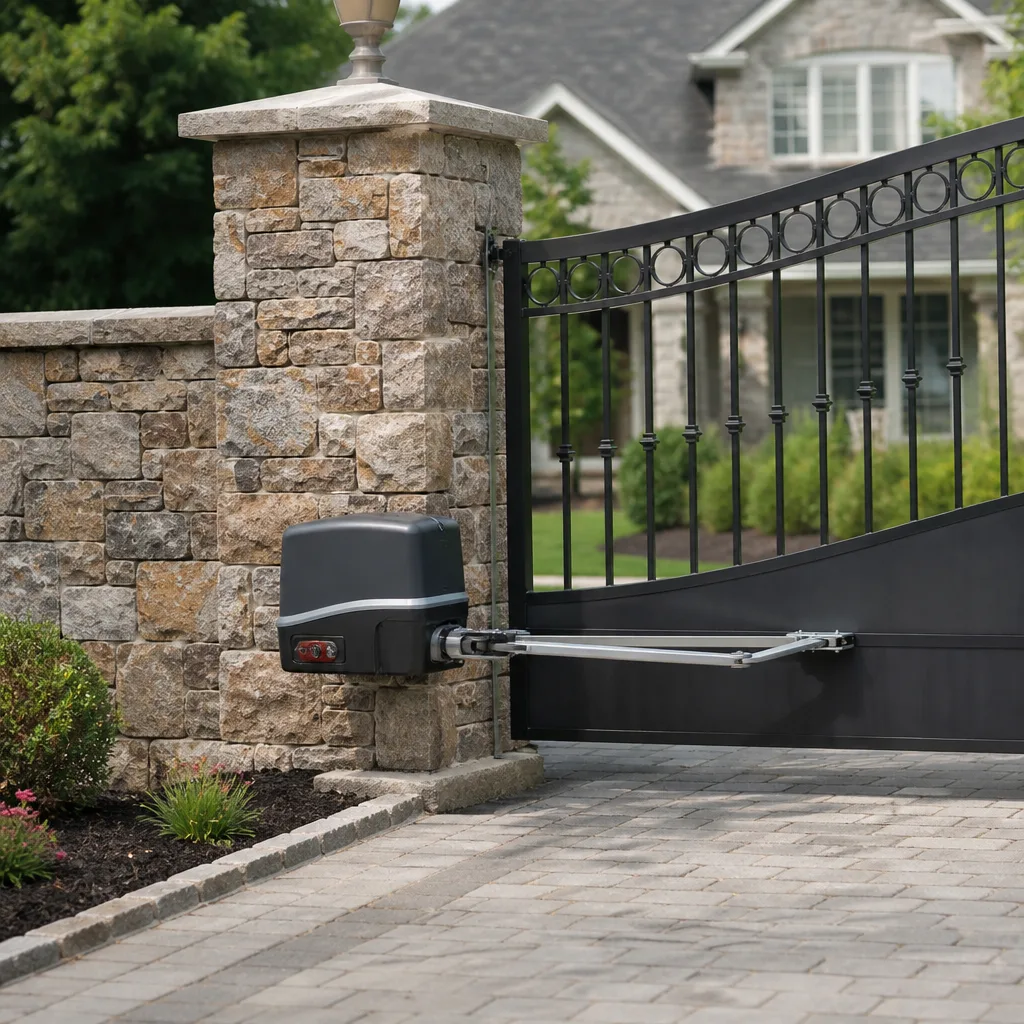 LiftMaster operators
Free on-site gate assessment - hinges, posts, and your LiftMaster or Nice gate operator checked before anything is quoted
The assessment is free and the quote is the invoice.
Get your free estimateGate Repair Maintenance Schedule: What to Do and When
The standard advice to service a gate once a year was written for mild, damp climates. In Surprise, that interval lets heat and wind-driven caliche dust work on your gate for six months before anyone opens the control box. Summer afternoons push past 110°F, spring winds sandblast every hinge and track, and the local water leaves scale on metal parts. None of that matches a national checklist. This guide lays out a month-by-month gate repair maintenance schedule built for Surprise, from the pre-summer inspection through the post-monsoon check, and covers how swing gates, slide gates, and barrier arms each need different attention.
Quick Answer
In Surprise, inspect and lubricate your gate and its operator every four months, not once a year: once in spring before the June heat, once in late summer after monsoon season, and once in winter. Check hinges, rollers, tracks, photo-eye sensors, battery backup, and the control box at each visit, and clear dust and hard-water scale as you go. Our technicians have up to 13 years of experience, and the pattern we see across the gates we service matches that three-times-a-year rhythm far better than an annual one.
Styles & brands we work with
- Wrought iron
- Wood & steel frame
- Farm & ranch
- Sliding driveway gates
- LiftMaster operators
Table of Contents
- Why the Surprise Climate Sets a Different Calendar
- Month-by-Month Maintenance Calendar
- The Parts That Fail First in Desert Heat
- Hard Water Scale on Hinges and Tracks
- Swing, Slide, and Barrier Arm: What Each One Needs
- What HOA and Property Managers Should Log
- The 10-Step Inspection You Can Do Yourself
- Common Mistakes to Avoid
Why the Surprise Climate Sets a Different Calendar
Most manufacturer manuals assume moderate temperatures and regular rain. Surprise gives you the opposite: long stretches of dry heat, a short violent monsoon window in summer, and wind that carries fine dust into every moving part. That combination changes what wears out and when. Heat softens rubber and plastic, dust turns into an abrasive paste wherever there’s grease, and the sun cooks any circuit board that lives in a closed box without airflow. A gate that would last a year between services in a cooler climate may need attention in four months here.
Here’s how the local conditions break down and what each one asks of you:
- 110°F summer heat degrades nylon rollers, rubber seals, and the electronics inside an operator housing faster than anywhere with a mild summer. Heat also thins lubricants, so grease migrates off the parts that need it.
- Spring and summer dust settles on tracks and hinge pins and, combined with old lubricant, forms a grit that grinds metal against metal.
- Monsoon storms arrive fast and dump water where it hasn’t rained in months, testing seals, drainage around underground operators, and any exposed wiring.
- Hard local water, used for irrigation and washdown, leaves mineral scale on hinges, tracks, and stainless hardware that most general maintenance guides never mention.
If you’ve only ever followed an annual schedule, the shift to a seasonal one is the single biggest improvement you can make. For a full breakdown of how we approach repairs when something has already failed, see our gate repair page. When the calendar below catches a problem early, you avoid the emergency call entirely.
Month-by-Month Maintenance Calendar
Here’s the schedule we recommend for Surprise, tied to the seasons that actually stress a gate here.
March through May: pre-summer preparation
This is the window to get ahead of the heat. Dust is blowing and temperatures are climbing but haven’t peaked. Do the heavy cleaning now so grit doesn’t bake onto tracks.
- Wash tracks, rollers, and hinge pins to remove winter dust buildup.
- Lubricate hinges and rollers with a dry-film or silicone lubricant that won’t attract dust.
- Inspect the control box for dust, insect nests, and any sign of heat damage on the board.
- Test the battery backup on your operator and note its condition before summer loads it.
- Check photo-eye sensors and safety edges for alignment and clear lenses.
June through September: heat and monsoon
Peak heat is not the time for heavy disassembly, but it is the time to watch. After the first big monsoon storm, walk the gate and look for water intrusion, warped panels, and loose hardware. Check that drainage around an underground operator is clear. If your electric gate repair issues tend to surface in summer, the heat and moisture swings are usually the reason.
October through February: recovery and winter check
The mild months are when you catch what summer wore down. Inspect rubber seals and nylon rollers for cracking, re-torque hinge and track bolts, clean scale off metal finishes, and test the full open-close cycle a few times to listen for new noises. This is also the best window to schedule a new installation or a major component swap before the next hot season. A complete look at our installation work is available through Gate Repair Surprise.
The Parts That Fail First in Desert Heat
Not every component ages at the same rate. In our experience across the gates we service in Surprise, three parts fail noticeably faster here than a national guide would predict.
Nylon rollers and bushings
Nylon is tough, but sustained heat makes it brittle. Rollers that would last years in a cool climate can crack and flat-spot in a desert summer, which shows up as a gate that drags, jerks, or rides off its track. Inspect rollers at every seasonal check and replace cracked ones before they score the track.
Rubber seals on operators
Underground and semi-buried operators rely on rubber seals to keep dust and water out. Heat hardens those seals, and once they crack, dust gets into the gearbox and monsoon water follows. A seal that looks fine in spring can be stiff and split by fall.
Circuit boards in non-vented control boxes
A sealed control box in full sun can get much hotter inside than the air around it. That heat stress shortens the life of capacitors and solder joints on the board. If your operator has been erratic in the hottest weeks, the control board is worth a look. We diagnose boards, sensors, motors, and wiring as a core part of our work, brand by brand, whether it’s a Viking residential operator or a DoorKing system on a shared community entrance.
Watching these three parts specifically is how you catch a failure before it strands a gate open or closed.
Hard Water Scale on Hinges and Tracks
Most maintenance guides skip this entirely, and it’s a real problem in Surprise. Local water carries dissolved minerals that leave a hard scale on any metal surface it touches, especially where irrigation spray or washdown hits the gate. That scale builds up on hinge pins and track rails, adds friction, and can bind a gate that otherwise works fine. Left long enough, it traps grit and accelerates wear.
Treating it without damaging the finish takes a light hand:
- Wipe scale off with a soft cloth and a mild descaling solution, then rinse and dry the part completely.
- Never scrape scale with a metal tool or use an abrasive pad on a powder-coated or galvanized finish; you’ll scratch the coating and invite rust.
- After cleaning, apply a dry-film lubricant to hinge pins and rollers so the surface stays slick without attracting dust.
- Keep irrigation spray heads angled away from the gate line so scale doesn’t rebuild as fast.
If scale has already seized a hinge or track, don’t force the gate. Forcing it can bend a panel or strip the operator’s gears. That’s the point to have a specialist look at it, and it’s why so many Surprise gate repair calls trace back to a part that simply needed cleaning and lubrication months earlier. We work on whatever gate you have, and a quick service visit can save a much bigger repair.
Swing, Slide, and Barrier Arm: What Each One Needs
A single checklist doesn’t fit every gate. Here’s how the maintenance tasks differ by type.
Swing gates
- Lubricate hinge pins and check the gate for sag at the latch side.
- Inspect the operator arm connections and any hydraulic parts for leaks.
- Confirm the gate opens fully without binding against the ground or a wall.
- Test the safety reversal and photo-eye sensors at each seasonal check.
Slide gates
- Clean and lubricate the track or guide rail, and clear any dust or debris from the roller path.
- Check rollers and wheels for flat spots or cracking.
- Verify the gate stays level on its track and doesn’t jump or wobble as it moves.
- Inspect the operator chain or rack for tension and wear.
Overhead barrier arms
- Check the arm’s balance and the counterweight or spring mechanism.
- Inspect the arm for cracks, especially where heat and sun hit it directly.
- Test the loop detectors and any access-control reader for consistent response.
- Clear dust from the housing and verify the control board is staying cool.
Whichever type you have, the cycle repeats: clean, lubricate, inspect, test. A Ghost Controls residential swing operator and a heavy commercial slide gate both reward the same discipline.
What HOA and Property Managers Should Log
Managing one driveway gate is a personal routine. Managing several gate systems across a community is a data problem, and the difference matters. A single homeowner can remember that the gate sounded rough last week. A property manager overseeing multiple entrances needs a written record to spot a pattern before it becomes a systemic failure.
What to log for every gate, every service:
- The gate and its location, plus the operator brand (Elite, DoorKing, and others behave differently).
- Date and type of each service, with what was cleaned, lubricated, or replaced.
- Any fault codes or erratic behavior reported between services.
- Battery backup condition and the date it was last tested.
- Sensor and safety-edge test results at each visit.
- Photos of the control board and any worn part before replacement.
The payoff is early warning. If three gates with the same operator brand start showing control-board faults in the same month, that’s a pattern, not bad luck, and it points to a shared cause like heat exposure or a bad power feed. Tracking each system on its own line lets you see that. For a community that relies on reliable access, a consistent logbook and a scheduled seasonal inspection go a long way toward keeping entrances working. When you need a partner who can diagnose across brands rather than pushing one manufacturer’s answer, our Surprise team is built for exactly that.
The 10-Step Inspection You Can Do Yourself
Between professional service visits, you can safely check the basics. Stop if you reach anything involving the operator’s internal wiring or the gate’s heavy lift mechanism; those belong to a trained technician.
- Walk the full length of the gate and watch for dragging, wobble, or a gate that doesn’t sit level.
- Wipe dust off tracks, rails, and hinge pins.
- Look for cracks in rollers, bushings, and rubber seals.
- Check hinge and track bolts and tighten any that are loose.
- Test photo-eye sensors by interrupting the beam and confirming the gate responds.
- Test the safety reversal by placing an object in the gate’s path.
- Confirm the battery backup holds a charge and the operator starts cleanly.
- Clear any dust or nests from the control box exterior vents.
- Look for water pooling near underground operators after rain.
- Listen for new grinding, squealing, or straining sounds during a full cycle.
Anything that fails this list is worth a call. Safety edges, sensors, and the operator’s power wiring are where a DIY check should stop and a professional should start.
Common Mistakes to Avoid
- Following a once-a-year schedule. A yearly interval lets desert heat and dust do six months of damage before anyone inspects. In Surprise, plan on a seasonal rhythm.
- Over-greasing with the wrong lubricant. Heavy grease on tracks and rollers collects dust and forms an abrasive paste. Use a dry-film or silicone product that won’t hold grit.
- Scraping hard-water scale with metal tools. It feels efficient and it wrecks powder-coated and galvanized finishes. Use a soft cloth and a mild descaling solution instead.
- Ignoring the control box. Dust, heat, and insect nests inside a sealed box shorten a circuit board’s life. Clear the vents and watch the board at each check.
- Forcing a stuck gate. A gate that’s seized from scale or misaligned from a bad roller won’t free up with muscle. Forcing it bends panels and strips gears.
- Skipping the post-monsoon inspection. After the first big storm, walk the gate for water intrusion and loose hardware. That’s when a small issue is easiest to fix.
- Never logging faults on a multi-gate property. Without a written record, a pattern of the same fault across several gates goes unnoticed until several entrances fail at once.
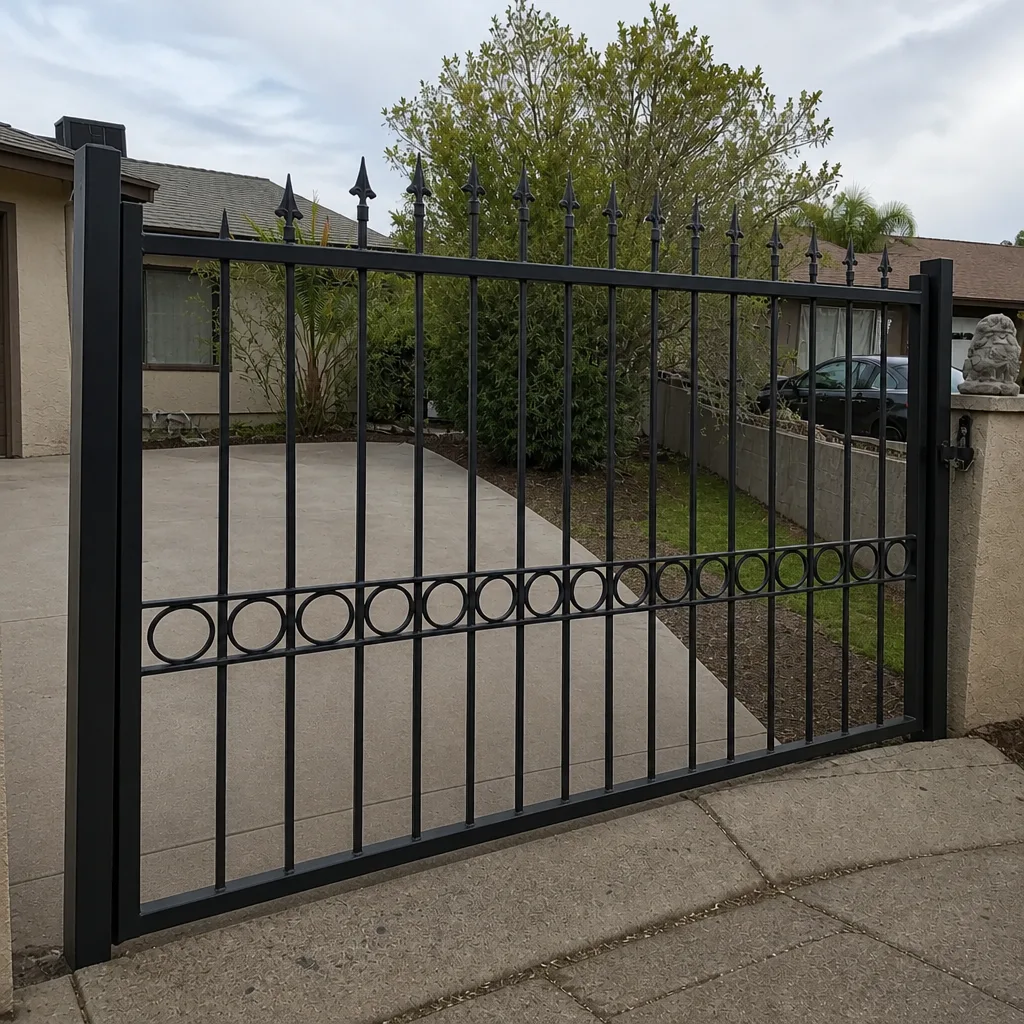
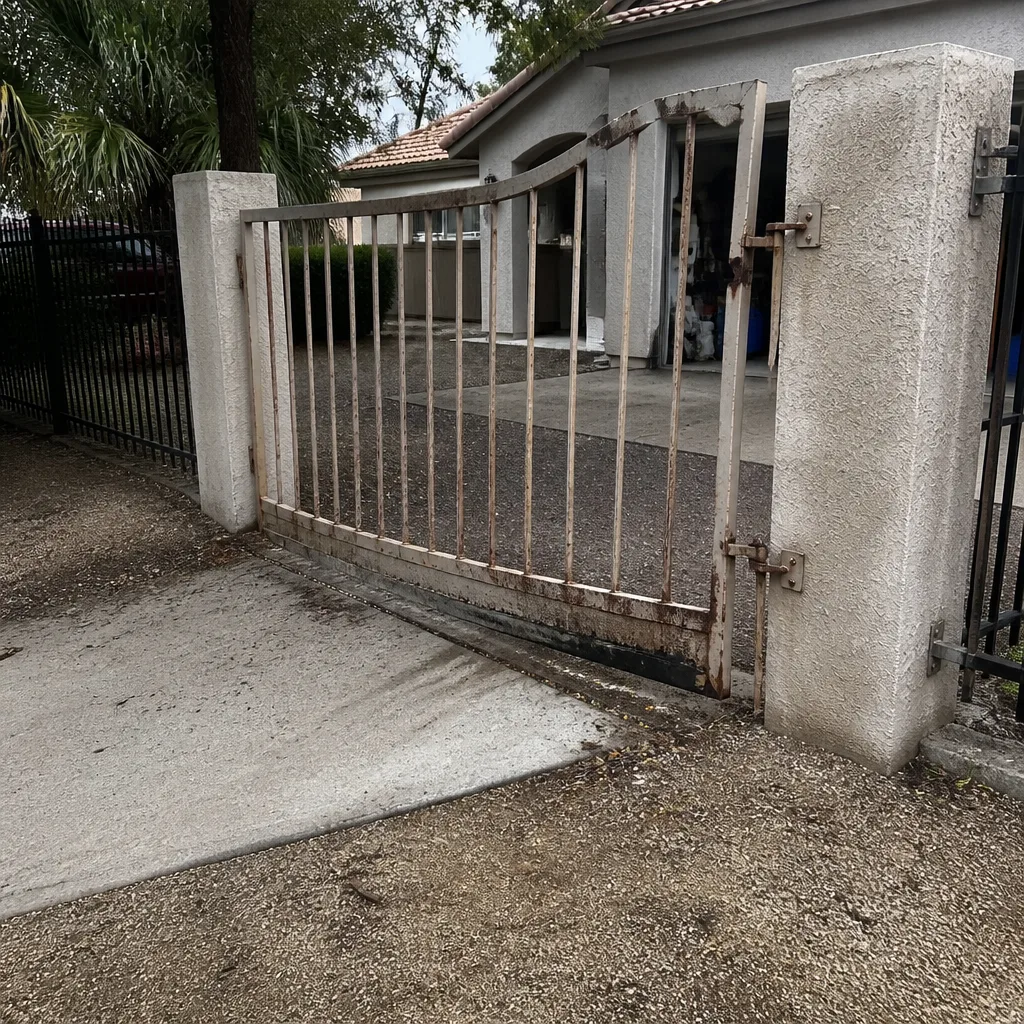
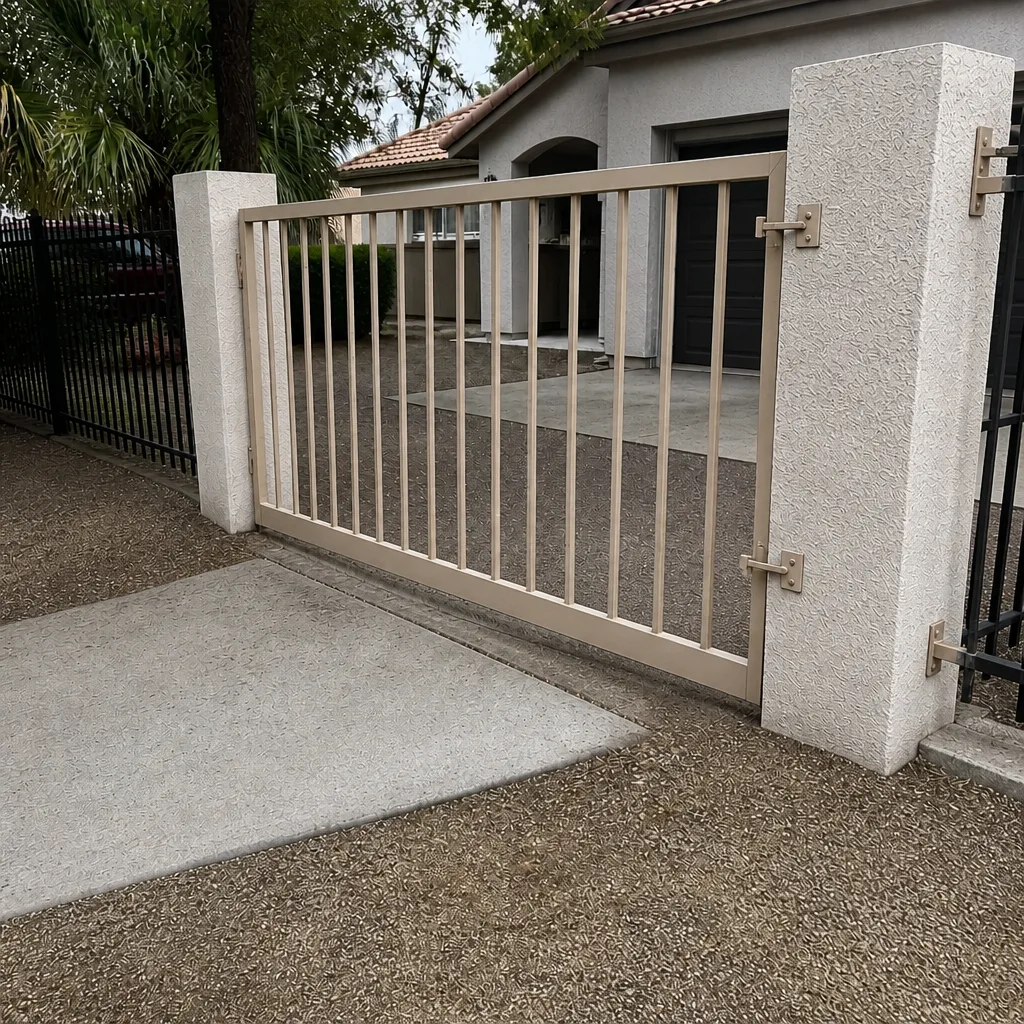
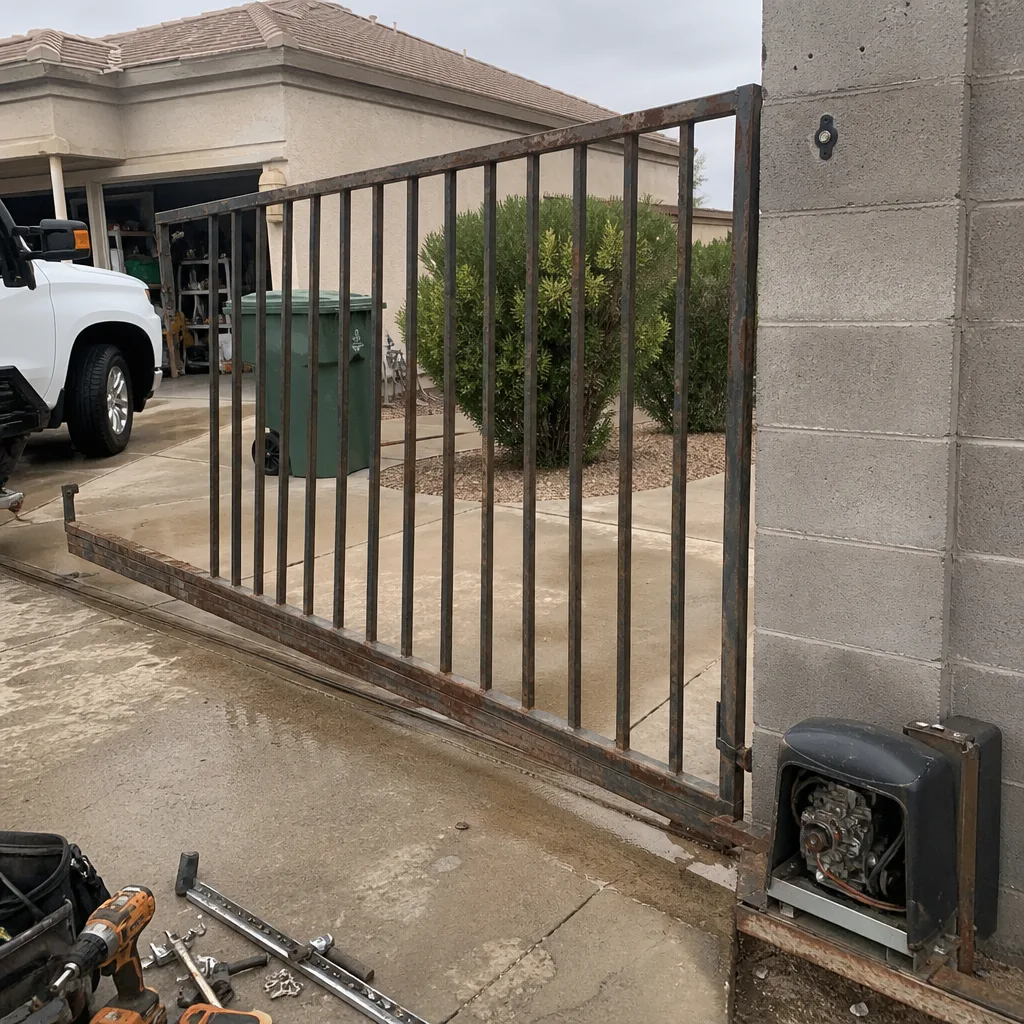
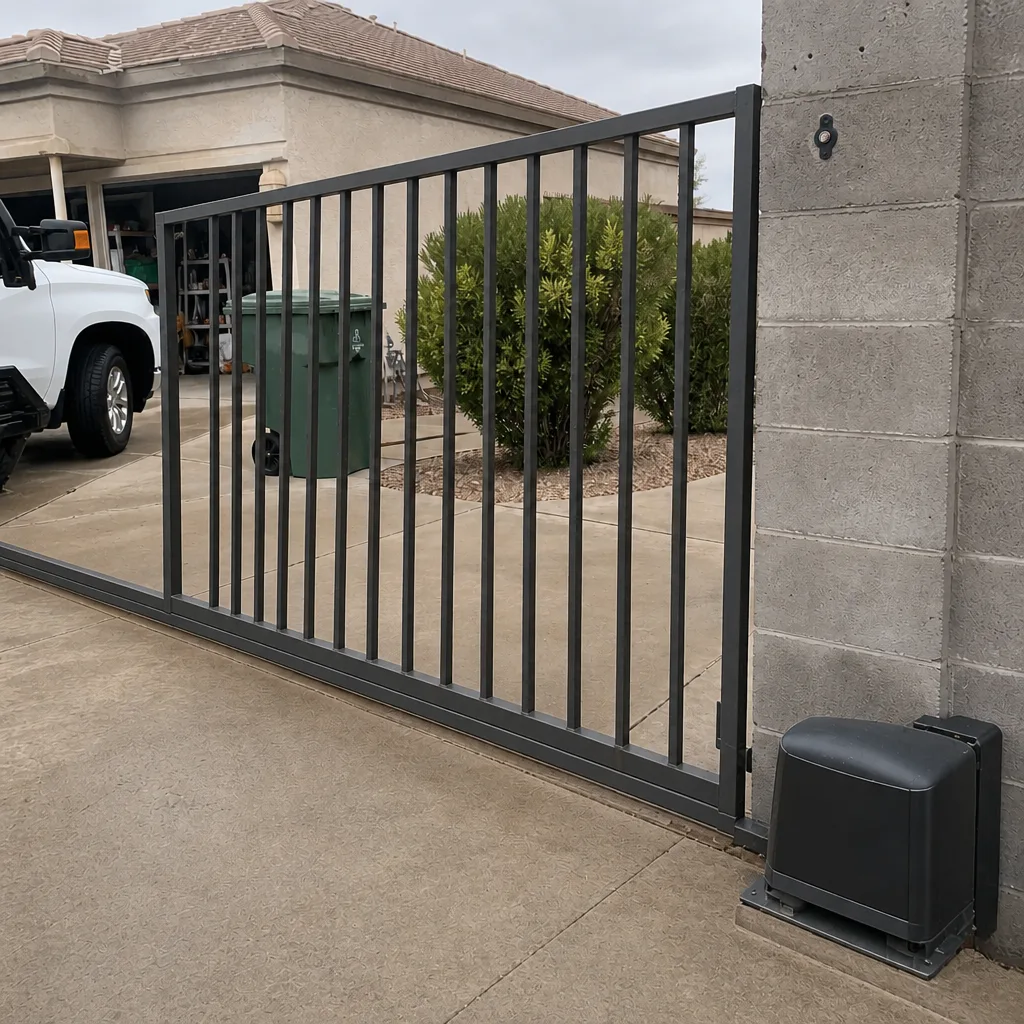
See the difference
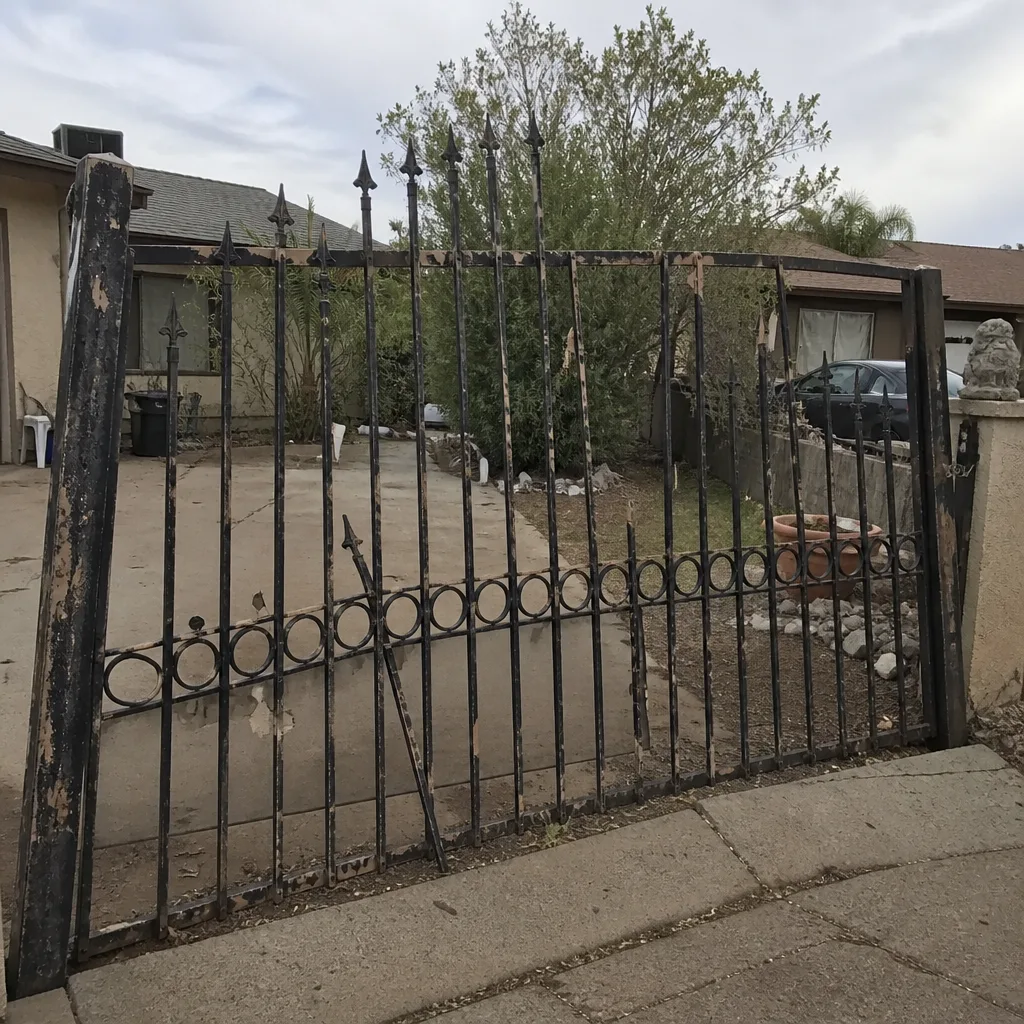 Before
 After
 Before
 After
 Before
 After
When to Call a Professional
Some issues are maintenance; some need a trained eye. Call a specialist when the gate stops mid-cycle, when the operator throws fault codes or behaves erratically, when hinges or tracks are seized with scale and won’t free up, when you see water in the operator housing, or when a safety sensor or edge fails its test. These are the situations where forcing a fix or guessing at a control board can cost more than a proper diagnosis. When your gate is stuck or your electric operator is acting up, it’s worth talking to someone who works on gates all day. Gate Repair Surprise offers free estimates in Surprise, and we answer 24/7 with fast dispatch from 7am to 7pm, Sunday through Friday. Call (877) 657-0401. The price is quoted and agreed before any work starts, so there are no surprises on the invoice.
Frequently Asked Questions
In Surprise, a gate should be inspected and serviced every four months: once in spring before the June heat, once in late summer after monsoon season, and once in winter. That three-times-a-year rhythm accounts for the 110°F summers, blowing dust, and hard water that stress gate components faster than a mild climate does. A single annual visit lets heat and dust do six months of damage before anyone checks. Call (877) 657-0401 for an exact quote on a service visit; estimates are free.
Nylon rollers and bushings, rubber seals on operators, and circuit boards in non-vented control boxes wear out fastest here. Heat makes nylon brittle, hardens rubber seals until they crack, and lets a sealed control box get far hotter inside than the air around it, which shortens the life of the board. Checking these three parts at each seasonal inspection is the best way to catch a failure early. Call (877) 657-0401 if any of them look worn.
Remove hard water scale with a soft cloth and a mild descaling solution, then rinse and dry the part fully and apply a dry-film lubricant. Avoid metal scrapers and abrasive pads, which scratch powder-coated and galvanized finishes and invite rust. If scale has seized a hinge or track, don’t force the gate; a specialist can free it without bending a panel or stripping the operator. Call (877) 657-0401 for a free estimate.
Yes. A swing gate needs its hinge pins lubricated and its operator arm connections and safety reversal checked, while a slide gate needs its track cleaned and lubricated, its rollers checked for flat spots, and its operator chain or rack checked for tension. Overhead barrier arms need their balance, arm condition, and loop detectors checked. The clean-lubricate-inspect-test cycle is the same, but the parts are different, so the tasks follow the gate type. Call (877) 657-0401 to schedule a visit.
An HOA should keep a written log per gate that records the location, operator brand, date and type of service, any fault codes, battery and sensor test results, and photos of worn parts before replacement. That record lets a property manager spot a fault that shows up across several gates at once, which points to a shared cause like heat exposure or a bad power feed rather than bad luck. Call (877) 657-0401 to set up a schedule across your gates.
Yes, you can safely test the photo-eye sensors and safety reversal yourself, and you should at every seasonal check. Interrupt the beam and confirm the gate responds, and place an object in the gate’s path to confirm it reverses. Stop there if anything involves the operator’s internal wiring or the gate’s heavy lift mechanism; those belong to a trained technician. Call (877) 657-0401 if a sensor or edge fails its test.
The Bottom Line
The right maintenance schedule for a gate in Surprise isn’t the annual one from the manufacturer’s manual; it’s a seasonal rhythm built around 110°F summers, blowing dust, monsoon storms, and hard local water. Inspect and service every four months, with heavy cleaning before the June heat and a close look after monsoon season. Watch the parts that fail first here: nylon rollers, rubber seals, and circuit boards. Treat hard-water scale gently so you don’t damage metal finishes, and match your tasks to your gate type, whether it’s a swing gate, a slide gate, or a barrier arm. Property managers should keep a written log per gate to catch patterns early. Stay ahead of the calendar and most emergency repairs never happen.
If your gate needs attention now or you want a schedule set up for a home or community, call Gate Repair Surprise at (877) 657-0401 for a free estimate. We answer 24/7. Fast dispatch from 7am to 7pm, Sunday through Friday. The price is quoted and agreed before any work starts.
Written by the team at Gate Repair Surprise.