
Last updated November 15, 2026
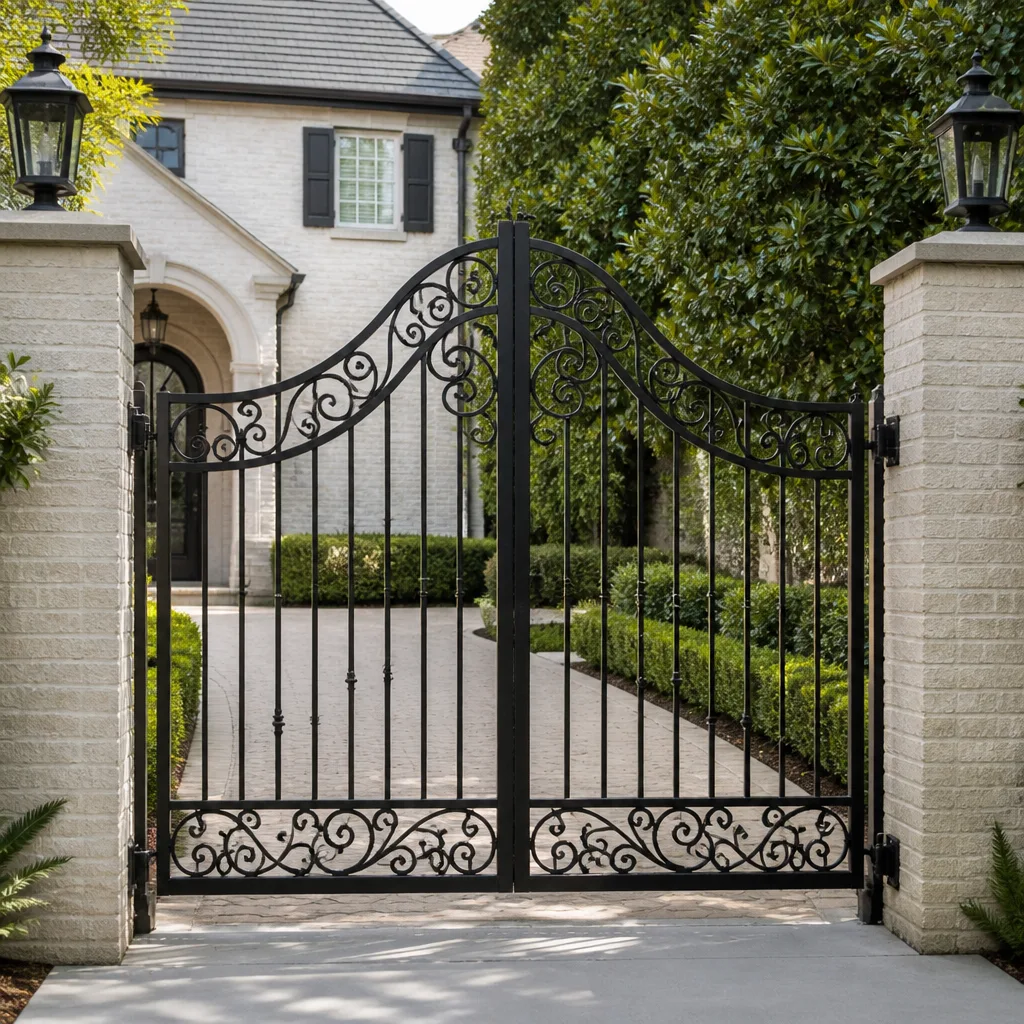 Wrought iron
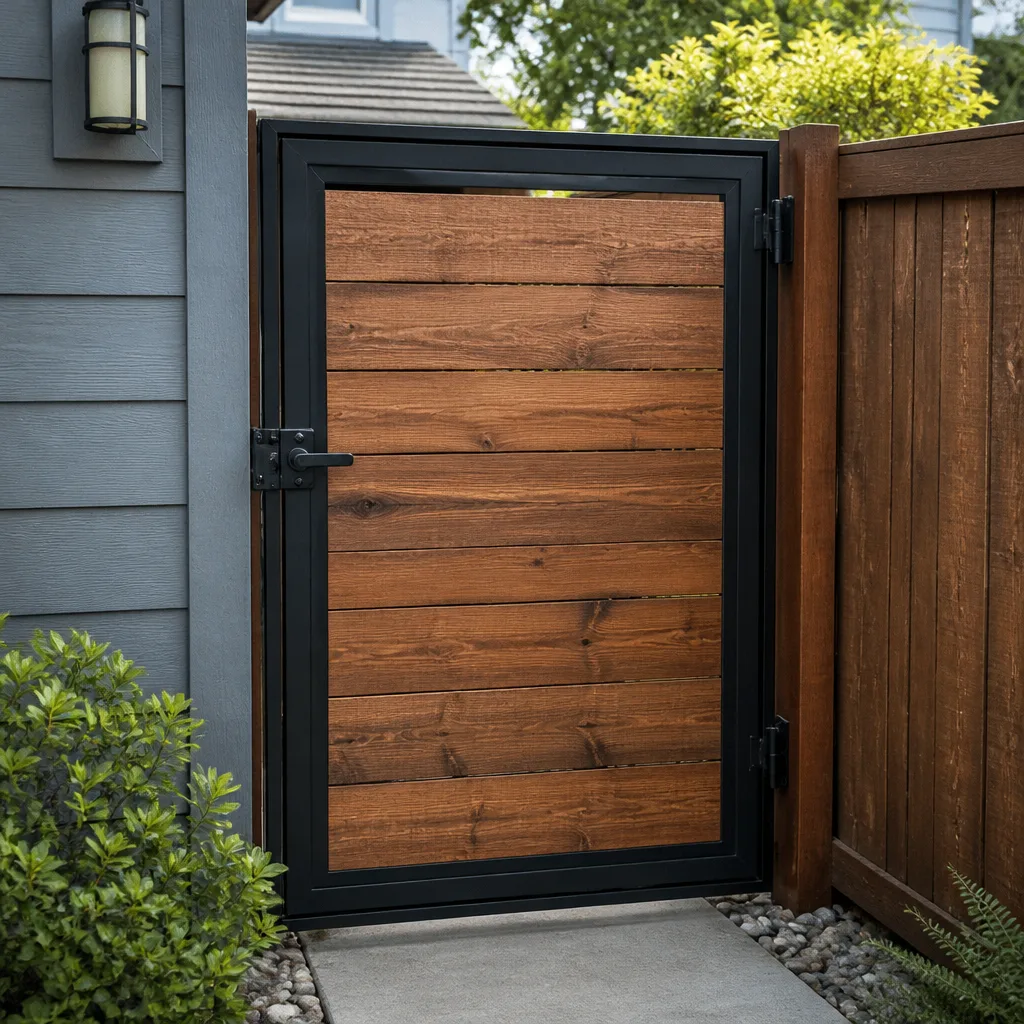 Wood & steel frame
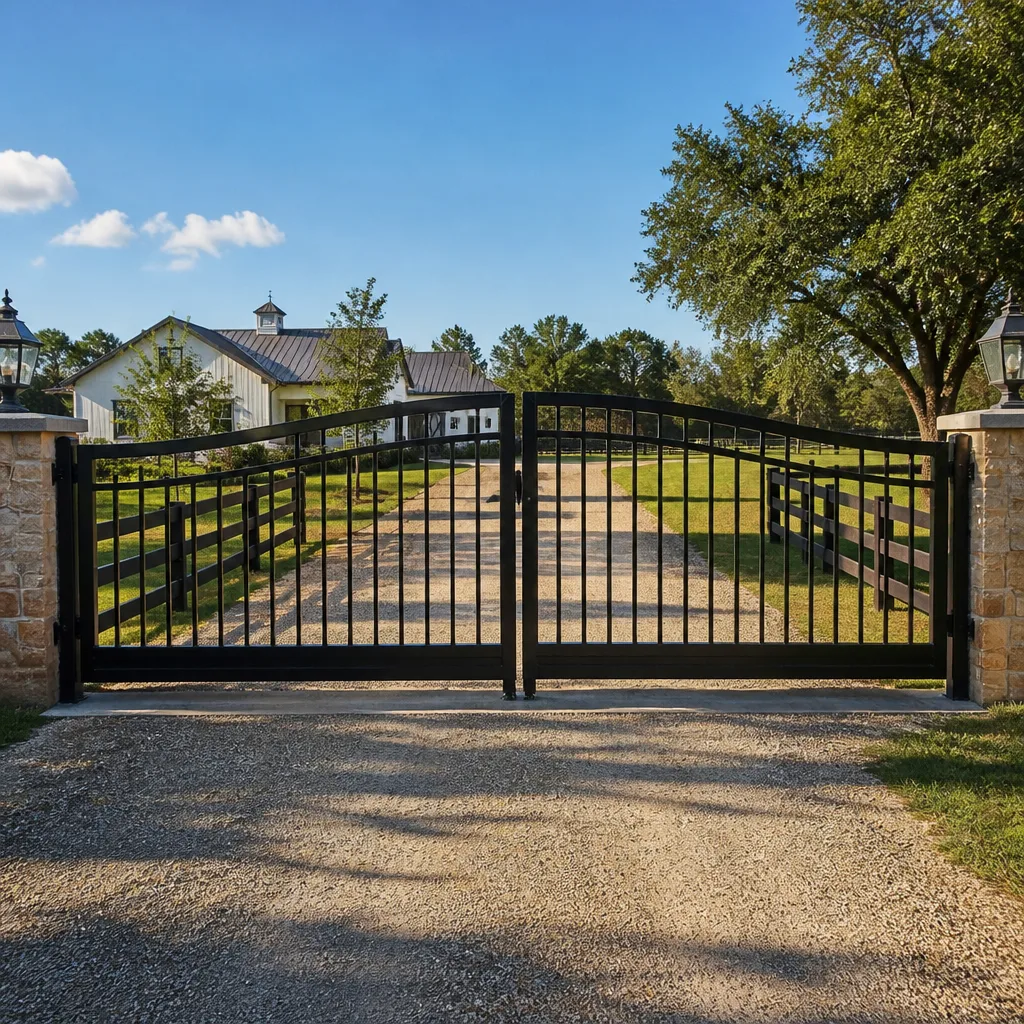 Farm & ranch
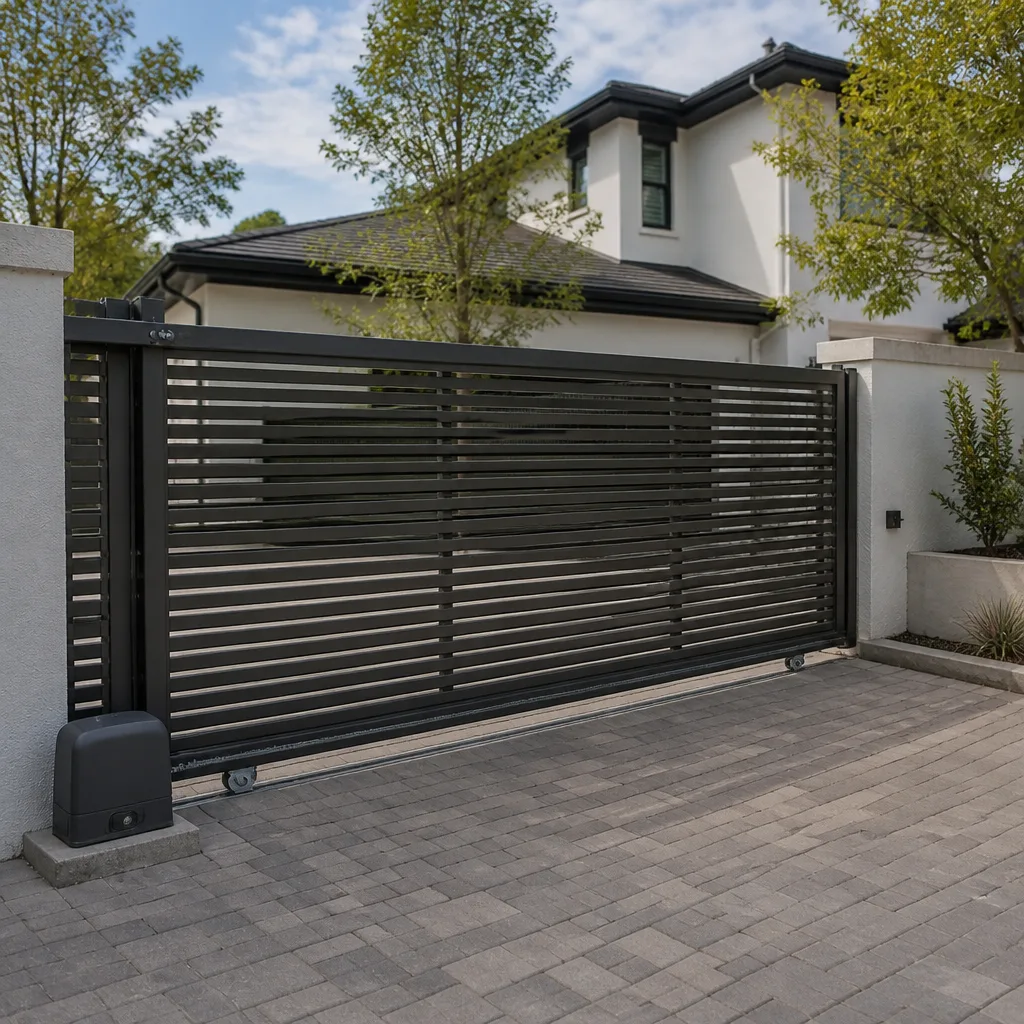 Sliding driveway gates
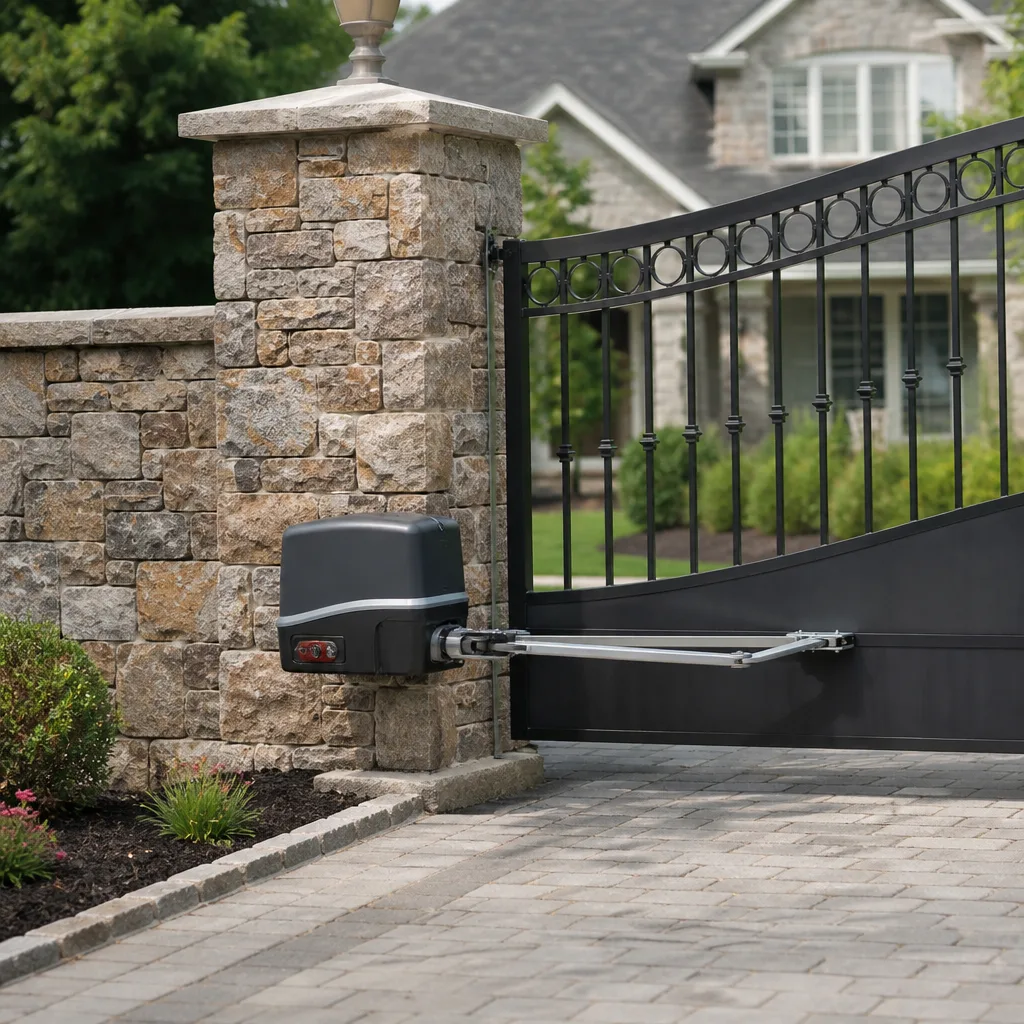 LiftMaster operators
Free on-site gate assessment - hinges, posts, and your LiftMaster or Nice gate operator checked before anything is quoted
The assessment is free and the quote is the invoice.
Get your free estimateGate Repair Permits, Codes & Inspections in Surprise, AZ: What You Need to Know
A gate motor swap feels like a simple repair until it shows up as an unpermitted modification on a title report the week before closing. It happens in Surprise more often than most homeowners expect, and the fix is rarely cheap once a buyer’s lender starts asking questions. The confusion is understandable: some gate work needs a city permit, some doesn’t, and the line between them shifts with what’s actually being changed. This guide walks through which scopes trigger City of Surprise permits, how HOA architectural rules interact with city code, what an inspection actually checks, and how to retroactively permit an existing installation before it becomes a sale-blocking issue.
Quick Answer
In Surprise, most routine gate repair like fixing a latch, replacing a hinge, or swapping a control board does not require a permit. But structural work, new post footings, replacing an entire gate, or a full motor and operator swap often does, and electrical work on the operator’s power supply has its own requirements. When in doubt, call the City of Surprise building department before work begins. A five-minute phone call prevents a title problem years down the road.
Styles & brands we work with
- Wrought iron
- Wood & steel frame
- Farm & ranch
- Sliding driveway gates
- LiftMaster operators
Table of Contents
- Which Gate Repairs Need a Permit in Surprise?
- What Gate Work Doesn’t Require a Permit?
- HOA Rules vs. City Code: Which Wins?
- Accessibility Code for Automated Gates in Multi-Family Settings
- What a Gate Inspection Actually Involves
- How to Retroactively Permit an Unpermitted Gate
- Desert Climate Factors That Affect Gate Code Compliance
- Common Mistakes to Avoid
Which Gate Repairs Need a Permit in Surprise?
The short answer: anything that changes the structure, the footprint, or the electrical supply of a gate system usually needs a permit. Anything that restores an existing gate to its original working condition usually doesn’t. The City of Surprise treats gate installations like any other exterior structural improvement, which means the permit question hinges on scope, not on whether the work is technically a “repair.”
Here’s where we’ve seen permits come into play for gate work in Surprise:
- Full gate replacement. Removing one gate and installing another in the same opening still requires a permit in most cases, because the new gate is a new structural element with its own weight, wind exposure, and hardware requirements.
- New or replacement posts and footings. Any time new concrete is poured or post depth changes, the city wants to see the plan. This is where skipping a permit causes the most trouble at resale, because there’s no record of what’s underground.
- Motor and operator replacement on a swing or slide gate. A like-for-like swap on an existing operator’s power circuit is sometimes permitted under the original electrical approval, but a new circuit, higher-amperage operator, or upgraded panel almost always requires an electrical permit pulled by a licensed electrician.
- Adding automation to a manual gate. This is treated as a new electrical installation and always needs a permit. It’s also the scenario most homeowners underestimate.
- Widening an opening or changing gate dimensions. Structural change, permit required.
- Commercial and multi-family gate operators. These have additional accessibility and safety requirements covered later in this guide.
The best habit is to call the City of Surprise building department before finalizing any quote on a structural or electrical gate project. Their staff will tell you in plain terms whether your specific scope needs a permit, and the answer takes a few minutes. If you’re already deep into a project and want a second opinion on scope, our team can help you sort out what’s structural and what’s electrical before you call the city. Reach out through our gate repair in Surprise service to schedule a free estimate. We answer 24/7 at (877) 657-0401.
What Gate Work Doesn’t Require a Permit?
Routine maintenance and like-for-like repair on an existing gate generally don’t require a permit in Surprise. This is the work that keeps a functioning gate functioning: tightening hardware, replacing worn parts, and troubleshooting the electronics that make an automatic operator do its job. Knowing what falls on this side of the line saves you time and money.
Work that typically doesn’t require a permit:
- Hardware replacement. Hinges, latches, rollers, handles, hinges, and strike plates are all fair game.
- Control board and sensor replacement. Swapping a failed control board for the same model, or replacing safety sensors with like-for-like units, doesn’t trip the permit requirement. This is a big share of what we see on electric gate repair calls, and it’s almost always a same-day fix.
- Motor replacement on an existing circuit. Replacing an operator motor on the same installed circuit generally doesn’t require a new permit, provided the electrical load doesn’t increase and the safety reverse testing is redone afterward.
- Painting, sealing, and finish work. Cosmetic work on gate panels and posts doesn’t need a permit, though HOA rules may still apply (see the next section).
- Adjustment and calibration. Fixing a gate that swings out of alignment or closing a gap at the sensor is routine maintenance.
- Remote and keypad reprogramming. Adding a new remote, reprogramming a keypad code, or pairing a new transmitter to an existing receiver.
If your gate is one of the more common systems in Surprise neighborhoods – LiftMaster, FAAC, Linear, or Ghost Controls are seen across the west valley – the repair work itself rarely trips a permit requirement. The complex cases usually involve a change to the power supply, the structure, or the opening size. When you’re unsure, describe the work to a gate specialist before the technician arrives so nothing gets started on the wrong side of the permit line. Call (877) 657-0401 and we’ll talk through the scope with you.
HOA Rules vs. City Code: Which Wins?
When HOA architectural guidelines and city code conflict, city code wins. Always. HOA rules are private contracts between a homeowner and the association, and they can be stricter than the city – but they cannot override city safety, structural, or electrical requirements. If your HOA handbook says one thing and City of Surprise code says another, the stricter safety requirement governs, and the HOA cannot require you to violate code.
The practical reality is messier than that clean rule. In Surprise’s gated communities and neighborhoods with architectural review committees, HOA approval often takes longer than the city permit itself, and both parties sometimes want changes the other didn’t require. Here’s how to handle the overlap:
- Read your HOA architectural guidelines first. They define approved gate styles, colors, materials, and heights. Some HOAs require a specific manufacturer for automatic operators because they’ve standardized remote frequencies across the community.
- Get HOA approval in writing before you order materials. Verbal approval doesn’t hold up when the installation is complete and the architectural committee has changed members.
- File the city permit separately. HOA approval is not a substitute for a city permit, and vice versa. They’re two different filings with two different review processes.
- Understand the precedence rule. If the HOA requires a gate design that doesn’t meet city code – say, a height that violates sight-line requirements at an intersection – the city code wins and the HOA has to adjust. This is rare but it happens.
- Keep both approvals on file. When you sell the property, both the HOA approval letter and the city permit record protect you.
For property managers overseeing gated communities in Surprise, the HOA-city overlap is one of the most common sources of delay on gate projects. Building on our experience with gate repair across residential and commercial properties, we can usually tell you early which parts of a project will need city sign-off and which will need HOA architectural review, so you can run both tracks in parallel rather than one at a time. That alone can save weeks on a project.
Accessibility Code for Automated Gates in Multi-Family Settings
Automated gates serving multi-family properties and commercial sites in Surprise must satisfy accessibility requirements that single-family residential gates are exempt from. The requirements show up most often in pediment access, pedestrian gates alongside a vehicle gate, and any push-button or intercom station used to request entry from a wheelchair or a person with limited reach.
What typically matters on a commercial or multi-family gate project:
- Reachable controls. Entry stations, keypads, and call buttons must be positioned at a height a wheelchair user can reach. If your existing station was installed without that consideration, retrofitting is usually straightforward but does need to be included in the permit scope.
- Clear approach space. The pad in front of the entry station needs to be clear of obstructions and flat enough that a wheelchair can approach without an incline.
- Pedestrian gate integration. Vehicle gates often need a separate pedestrian gate that satisfies the same reachability requirements, and the two gates need to stay coordinated so a car isn’t triggered by a pedestrian walking through.
- Safety reverse and obstruction detection. Every automated operator on a multi-family site must fail safely when an obstruction is detected. This is checked during inspection and is a common retrofit item on older systems.
- Signage. Posted warnings and instructions at the gate are required on most commercial automated gate installations.
These accessibility rules are separate from HOA guidelines and separate from the structural permit. On a DoorKing or Linear system in a gated Surprise community, we’ve seen access control issues go unnoticed until inspection because the original installer focused on the vehicle gate and skipped the pedestrian approach entirely. If you’re a property manager starting a gate project, get the accessibility review handled before construction, not after. For a free estimate on the accessibility retrofit side of a commercial or multi-family gate project, call (877) 657-0401.
What a Gate Inspection Actually Involves
An inspection on a permitted gate project checks that the installed work matches the approved plans and that it meets the safety and structural requirements the city required. It’s not an adversarial process, but it’s also not a formality. Inspectors know what to look for, and small installation shortcuts that work fine day to day can fail an inspection check.
What an inspector typically reviews on a residential or commercial gate installation in Surprise:
- Structural footing. Post depth, concrete placement, and evidence that the spec on the approved plan was followed. This is why skipping a permit on new post work is risky – once the concrete is poured, you can’t prove the depth without cutting into it.
- Gate alignment and swing. The gate has to open and close smoothly through its full range without binding, and it has to latch reliably.
- Electrical connections. Junction boxes, conduit runs, grounding, and the connection between the operator and the household or building power supply. A licensed electrician should have done this part under a separate permit or under the owner’s authorization.
- Safety reverse and sensors. The gate must reverse direction when it contacts an obstruction. Sensors must be aligned and functioning. This test is performed during inspection and it’s the single most common reason a residential gate project gets a correction notice.
- Accessibility features (commercial and multi-family). Entry station height, approach pad, pedestrian gate reachability, and signage as described above.
- Compliance with approved plans. Any deviation from what was on the permit drawing – different gate dimensions, different operator model, different power run – is flagged and typically requires a revision and re-inspection.
To prepare for an inspection, make sure the gate is clear of vehicles and debris, that the operator is powered and functioning, and that the approved plans are on site. If the gate is on a LiftMaster, FAAC, BFT, or Elite system with a recent control board replacement, have the model number and documentation available – the inspector may ask. If you’re unsure whether a gate is inspection-ready, call us. We answer 24/7 at (877) 657-0401 and can walk you through the safety reverse test so nothing catches you unprepared.
How to Retroactively Permit an Unpermitted Gate
If a gate in Surprise was installed or modified without a permit – and if you bought a home where a previous owner added a gate in that state – it can be permitted retroactively. It’s not a comfortable process, but it’s far less painful than discovering the problem at the closing table. The City of Surprise has a process for legalizing unpermitted work, and starting it on your own timeline is much better than having a buyer’s title company start it for you.
The general steps for retroactive permitting of a gate installation:
- Pull the property records. Get the permit history for your address from the city. You’ll want to know exactly what was approved and when, so you can identify what wasn’t.
- Document the current installation. Photographs of the gate, posts, footings where visible, the operator, electrical connections, and safety sensors. A gate specialist can produce this documentation in a format the city will accept.
- Confirm scope with the city. Call the City of Surprise building department and ask what they require for legalizing the specific installation. Some unpermitted work needs only a structural inspection; work involving electrical changes may require a separate licensed electrician’s sign-off on the existing wiring.
- Bring non-code items up to current code. Older gate installations sometimes miss safety reverse or sensor requirements that have since been tightened. Any non-conforming item has to be corrected before the permit can be issued.
- File the permit and schedule the inspection. The city inspector evaluates the installation against current code and issues the permit if it passes. If it doesn’t, you get a correction notice and a re-inspection window.
- Keep the final permit on record. This is the piece that protects your resale. A closed permit on a gate is what tells a buyer’s lender the installation is legitimate.
Retroactive permitting is where our gate-specific focus makes the most difference. Because our technicians work only on gates – not fences, not general contracting – we can produce the technical documentation the city wants on a gate install and can identify the non-code items a homeowner wouldn’t spot. If you’re preparing to sell a home in Surprise, AZ and know a gate was added without a permit, start the process well before you list. Call (877) 657-0401 for a free estimate on bringing the installation up to code.
Desert Climate Factors That Affect Gate Code Compliance
The high desert climate in Surprise places specific demands on gate systems that affect both how they should be installed and what inspectors look for. Materials expand and contract through wide daily temperature swings, sun exposure degrades rubber and plastic components, and the ground can shift in ways that push gate posts out of true over time. All of this means an installation that passed inspection in year one can drift out of compliance as the years pass.
What to keep in mind about gate systems in the Surprise area:
- UV exposure on operators and sensors. Plastic housings, sensor lenses, and rubber bumpers degrade under direct sun. Sensors that were aligned at installation can drift out of alignment when the housing warps, and a misaligned sensor is a safety-reverse failure waiting to happen.
- Gate post settling. Some soil types common to the west valley cause posts to shift over time, which affects the gate swing and eventually the operator’s reliability. If a gate that ran clean for years starts dragging, it’s often a footing issue rather than an operator one.
- Heat and electronics. Operator control boards and motors in an unshaded enclosure run hotter than they were designed for. This is one reason we see a disproportionate share of control board failures in the hotter months.
- Dust and sensor interference. Dust accumulates on sensor lenses and on gate tracks in a way that eventually triggers safety-reverse faults. Regular cleaning is part of any sensible gate maintenance routine, even on a system with no permit history.
- Wind exposure. Gate panels present a large surface area to gusty conditions. The structural attachments on older gates that were installed without modern wind-load sizing may not meet current practice, which is why a permitted installation is worth having even if the original didn’t fail.
None of these are reasons to panic if your gate has been fine for years. But they’re reasons to check your gate’s safety reverse and sensor alignment around the time you’re selling or refinancing, because that’s when an inspector or buyer’s agent will. If the gate is acting up and you’re not sure whether it’s a hardware problem or a safety-reverse issue, call (877) 657-0401. We answer 24/7 and can turn an inspection-ready repair around fast – fast dispatch from 7am to 7pm, Sunday through Friday.
Common Mistakes to Avoid
- Skipping the city call because the work “feels like a repair.” If a gate project involves new posts, new concrete, or a new electrical circuit, it’s not a repair. Ask the City of Surprise before you sign anything, not after work starts.
- Treating HOA approval as the only approval. HOA architectural review is not a substitute for a city permit, and the two are reviewed separately. Filing one without the other creates exactly the unpermitted-work scenario that stalls a sale.
- Replacing the operator without checking the electrical load. A bigger or upgraded motor on an existing circuit can exceed what the original permit approved. If the load increases, the electrician and the permit do too.
- Assuming the safety reverse still works because the gate still opens. The safety reverse is tested by walking through the path while the gate is closing. Do it before you assume the system is code-compliant, especially before selling or refinancing.
- Forgetting the pedestrian approach on a multi-family project. Accessibility requirements for automated gates in gated communities aren’t the vehicle gate’s problem alone. The pedestrian entry station, pad approach, and gate coordination are all part of the inspection.
- Paying a contractor who won’t put the permit scope in writing. If the estimate doesn’t say who pulls the permit and whether the price includes the inspection, you’re leaving the most expensive part of the project open-ended.
- Waiting until the week before closing to start retroactive permitting. The city process takes time. If you know a gate on your property was added without a permit, start the process months in advance, not weeks.
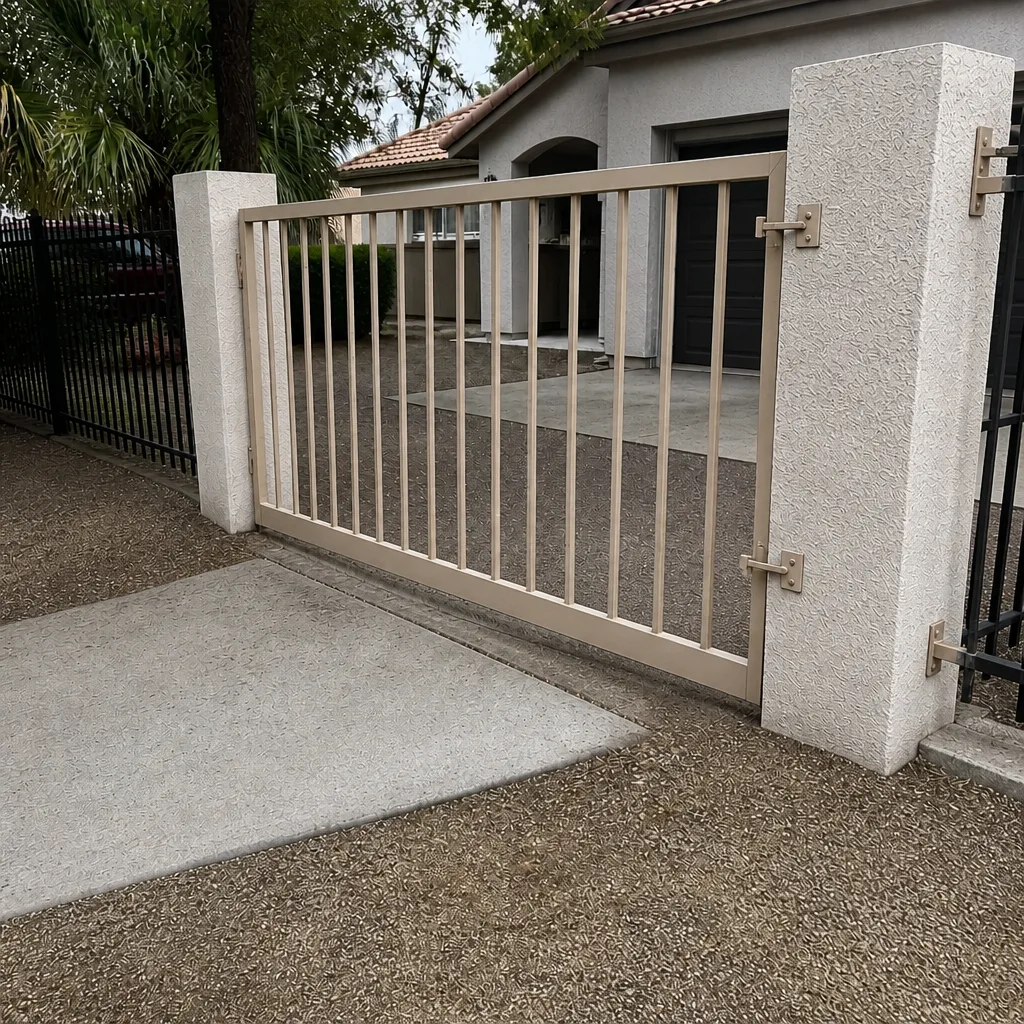
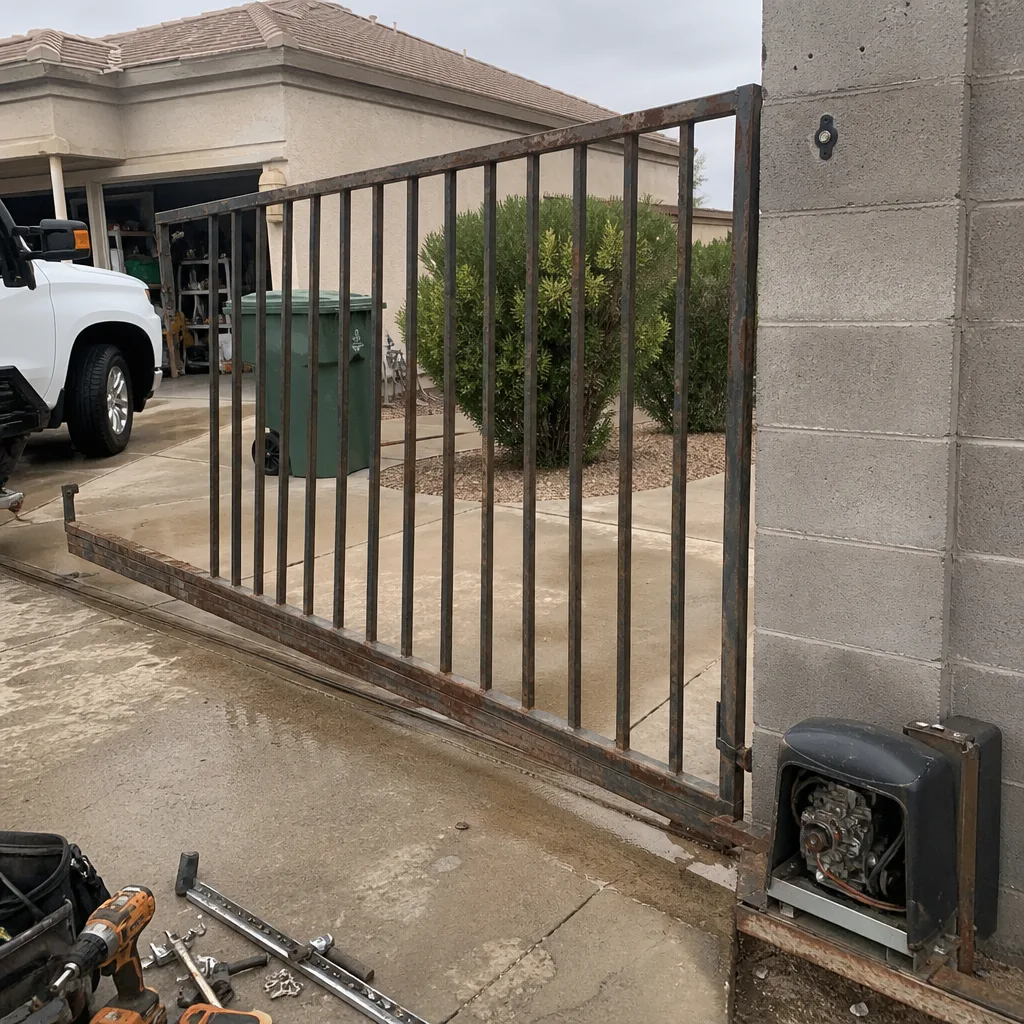
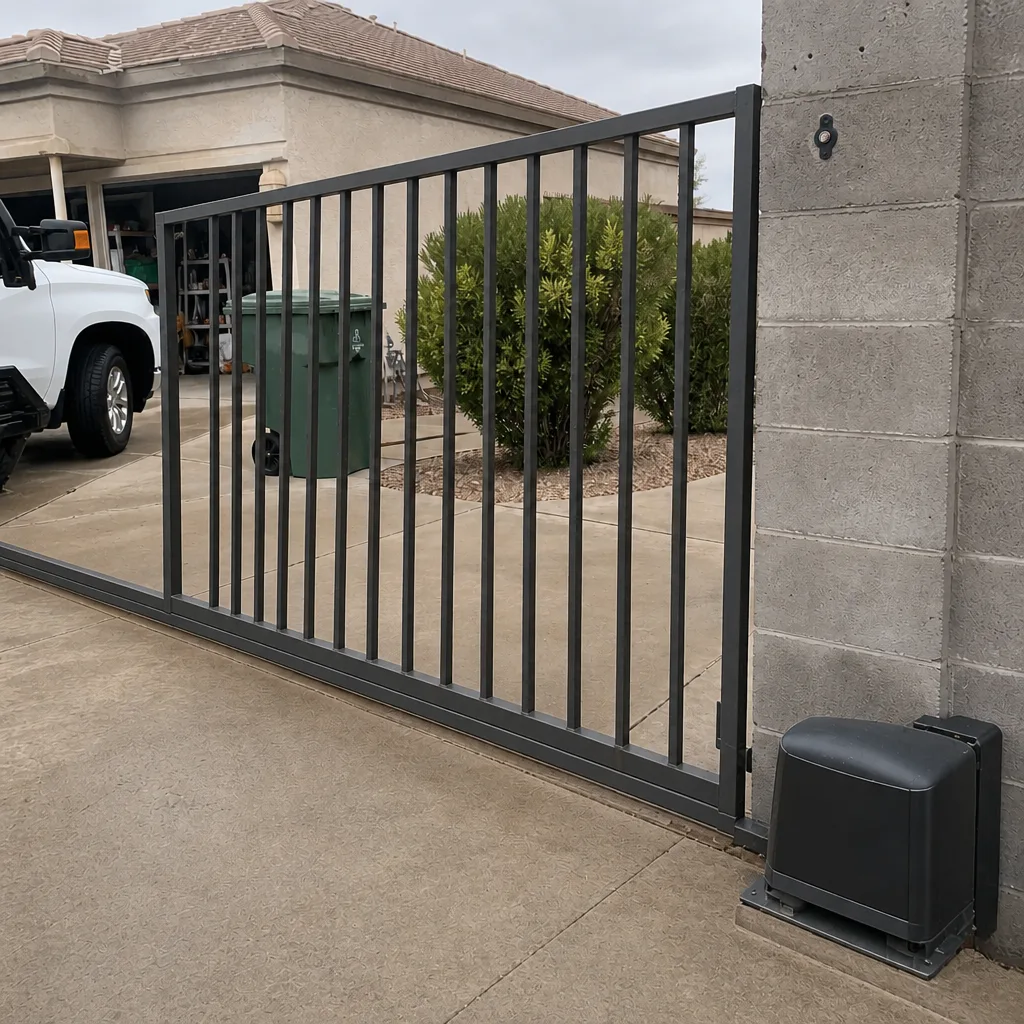
See the difference
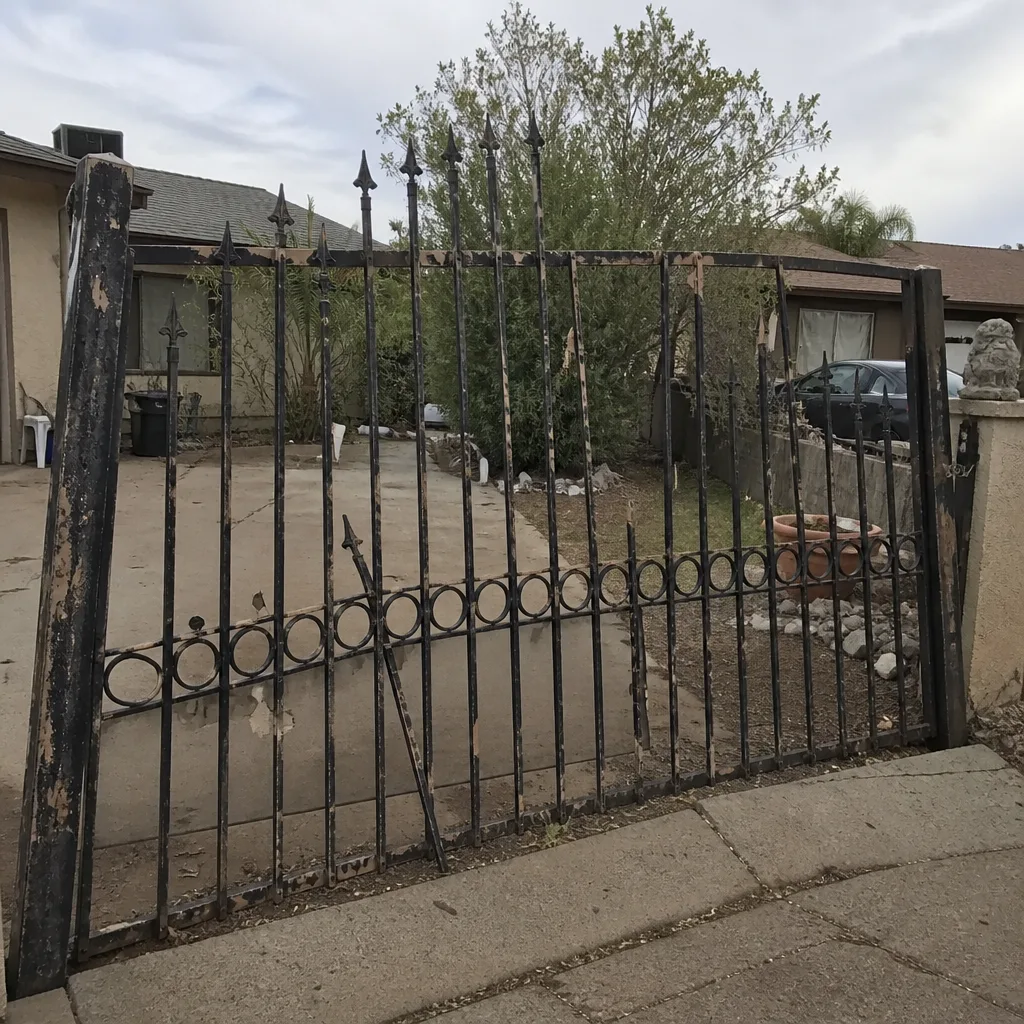 Before
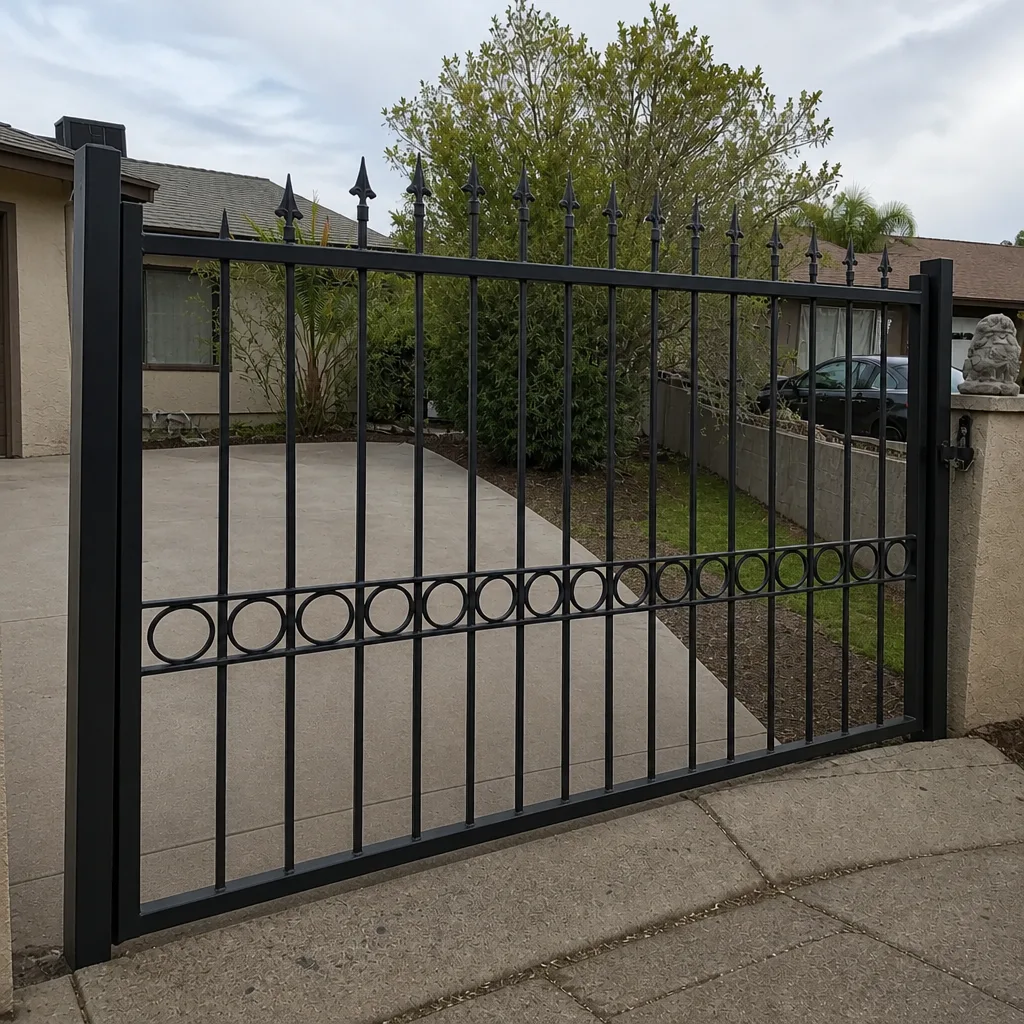 After
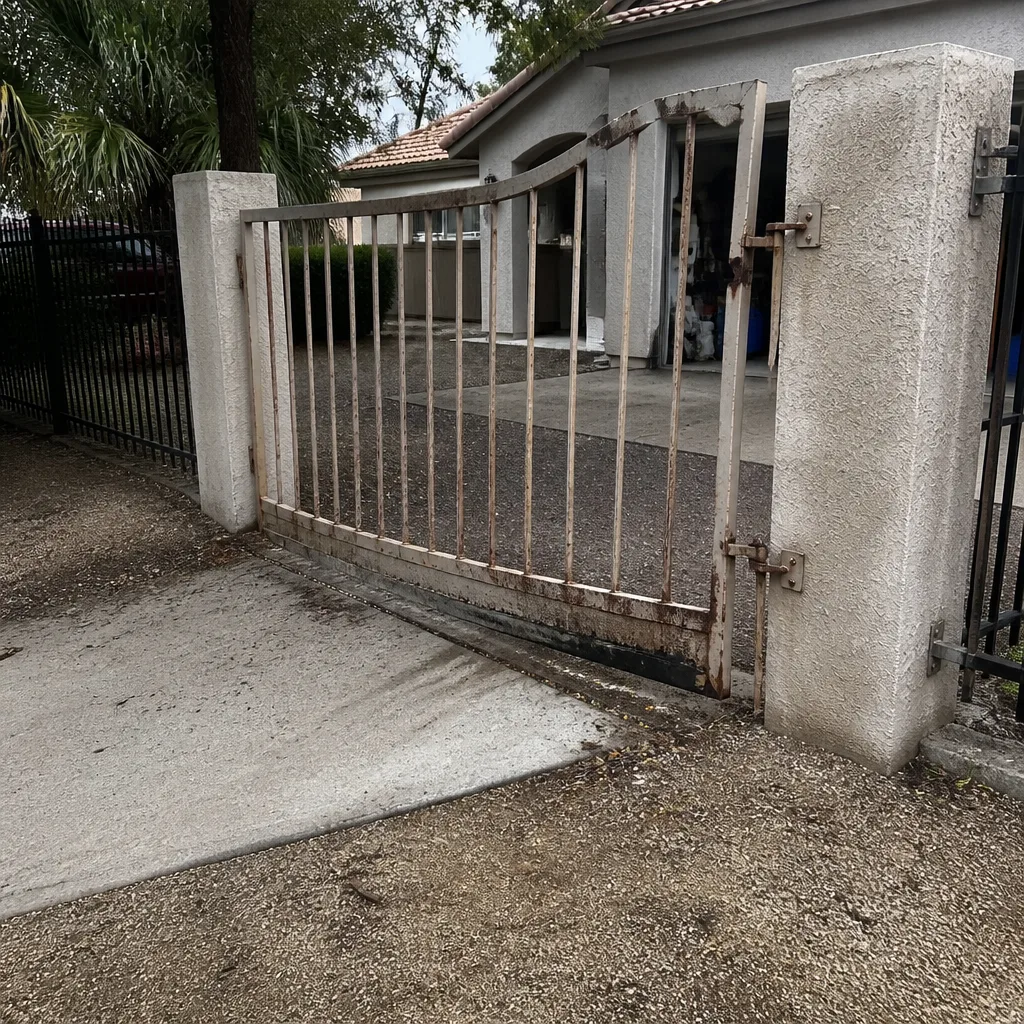 Before
 After
 Before
 After
When to Call a Professional
Call a gate specialist when the work is structural, electrical, or hard to classify. New post footings, motor and operator replacement, adding automation to a manual gate, and any accessibility retrofit for a multi-family or commercial property are all scopes where a trained technician’s judgment matters and where experienced documentation is worth having. Call a professional before the sale, before the inspection, or before you next sign an estimate that doesn’t specify who pulls the permit. Call us when the gate is failing and you’re not sure where the failure lives – control board, motor, sensor, or wiring – because the difference determines the scope, and the scope determines the permit question. Gate Repair Surprise offers free estimates in Surprise. Call (877) 657-0401. We answer 24/7.
Frequently Asked Questions
In most cases, a like-for-like motor replacement on an existing electrical circuit does not require a new permit, but any change to the electrical load, the power run, or the operator model on record may require one. Confirm the scope with the City of Surprise building department before work starts. Call (877) 657-0401 for a free estimate and we’ll help you sort out whether your specific replacement crosses the line.
Yes, if the gate is on your property and the installation was never permitted, the current owner is responsible for any legalization the city or a buyer’s lender requires. The good news is that Surprise has a retroactive permitting process, and it’s much easier to start on your own schedule than on a buyer’s. Call (877) 657-0401 for a free estimate on bringing an unpermitted installation up to code.
City code wins. HOA rules are private and can be stricter than city requirements, but they can’t override city safety, structural, or electrical code. Get both approvals in writing and file them separately. Call (877) 657-0401 if you’re a property manager juggling both tracks and want a gate specialist’s read on the scope.
A residential gate inspection is generally a short appointment, typically under an hour, but the preparation matters more than the duration. Clear the gate path, ensure the operator is running and powered, and have the approved plans available. Call (877) 657-0401 and we can walk you through the safety reverse test before the inspector arrives.
Yes. Automated gate systems serving multi-family and commercial properties in Surprise need entry stations at reachable heights, clear approach pads, coordinated pedestrian gates, and functioning safety reverse features. These are separate from HOA rules and are checked at inspection. Call (877) 657-0401 for a free estimate on an accessibility retrofit.
We work on whatever gate you have, across the major brands commonly found in Surprise – LiftMaster, FAAC, BFT, Linear, Viking, Ghost Controls, DoorKing, Elite, and Mighty Mule. Our technicians have up to 13 years of experience on gate system diagnostics and safety reverse testing. Call (877) 657-0401 for a free estimate.
The Bottom Line
The gate permit question in Surprise comes down to scope. Routine repair like hinge swaps, sensor replacement, and control board fixes generally doesn’t need a permit. Structural changes, new post footings, new electrical circuits, and full replacements usually do. HOA approval doesn’t replace a city permit, and the two need to be filed separately. If your gate was installed without a permit, start the retroactive process early rather than waiting until a sale forces your hand. And if the scope of your project is unclear, call a gate specialist before you call the city. For a free estimate anywhere in Surprise, call (877) 657-0401. We answer 24/7. Fast dispatch from 7am to 7pm, Sunday through Friday. Same-day service is available for repair and diagnostic calls.
Written by the team at Gate Repair Surprise.