
Last updated November 15, 2026
 Wrought iron
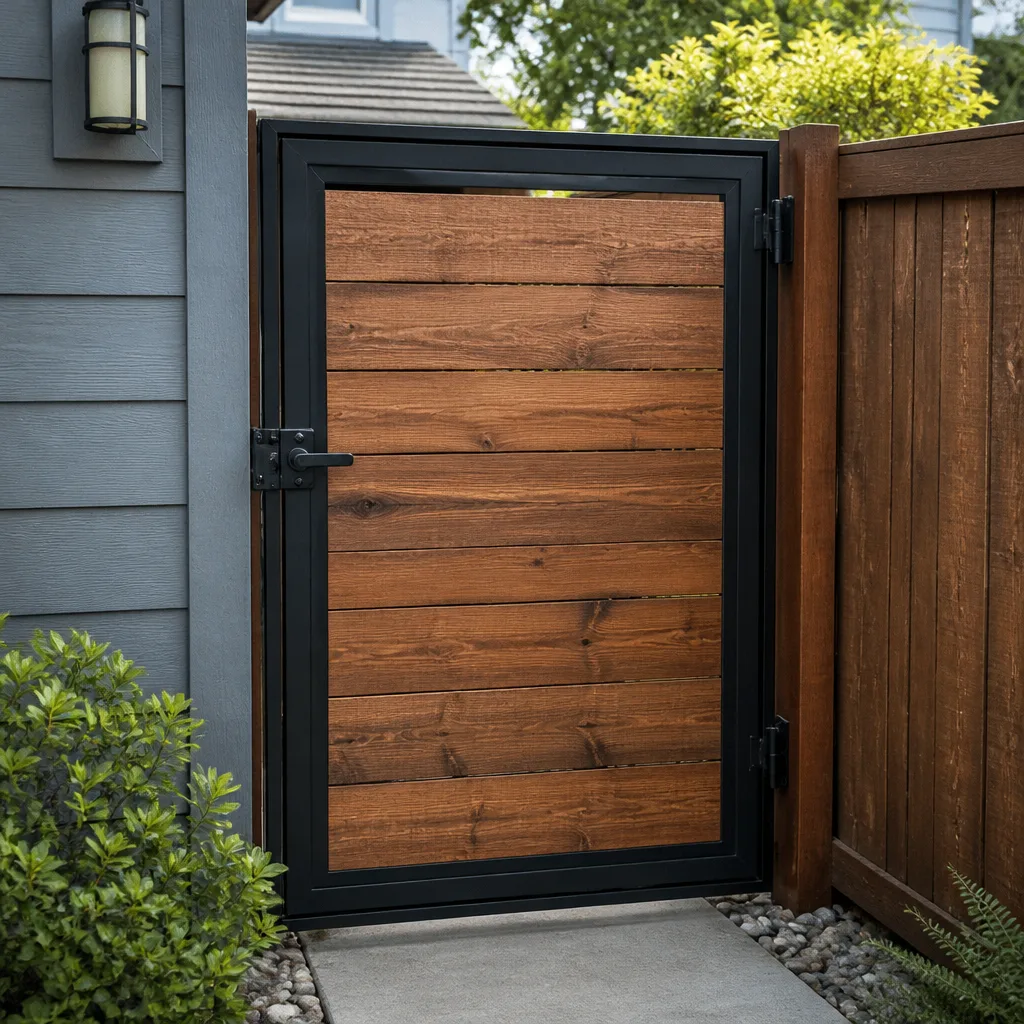 Wood & steel frame
 Farm & ranch
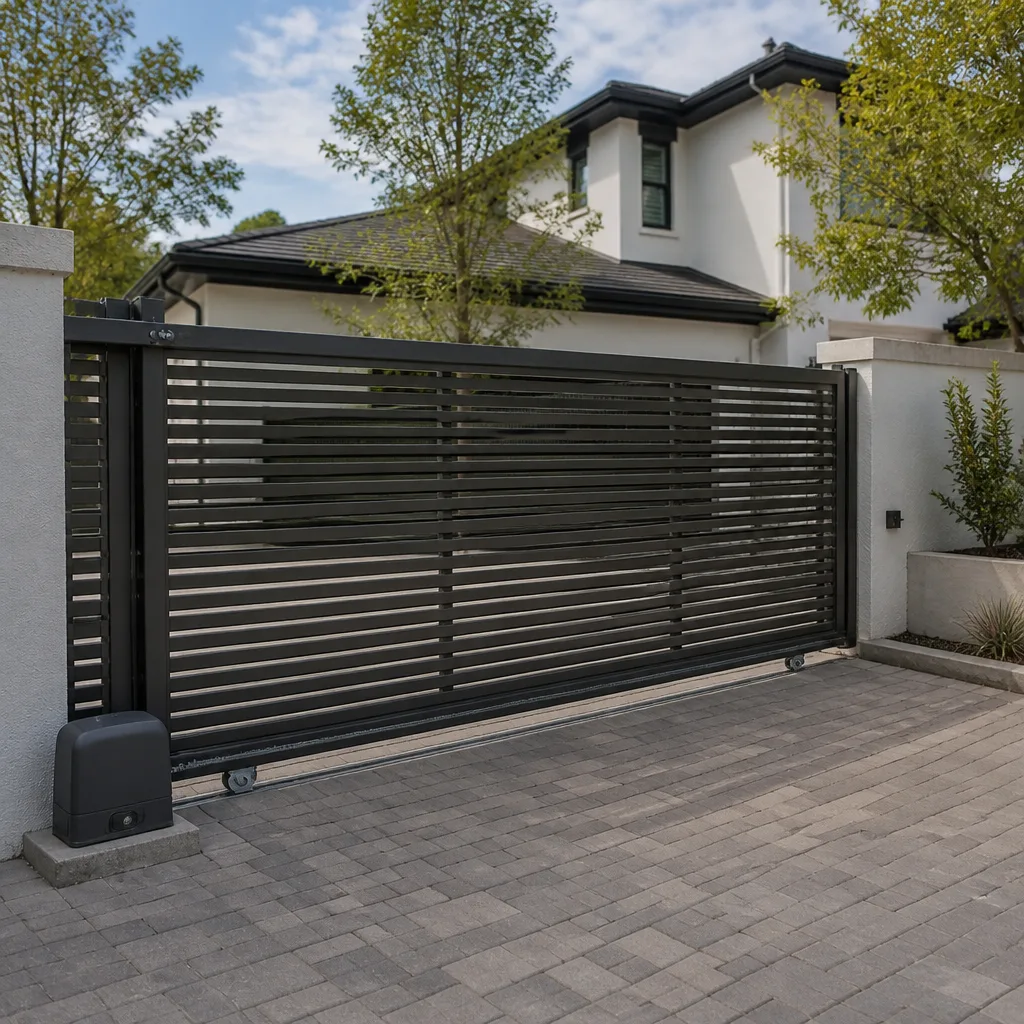 Sliding driveway gates
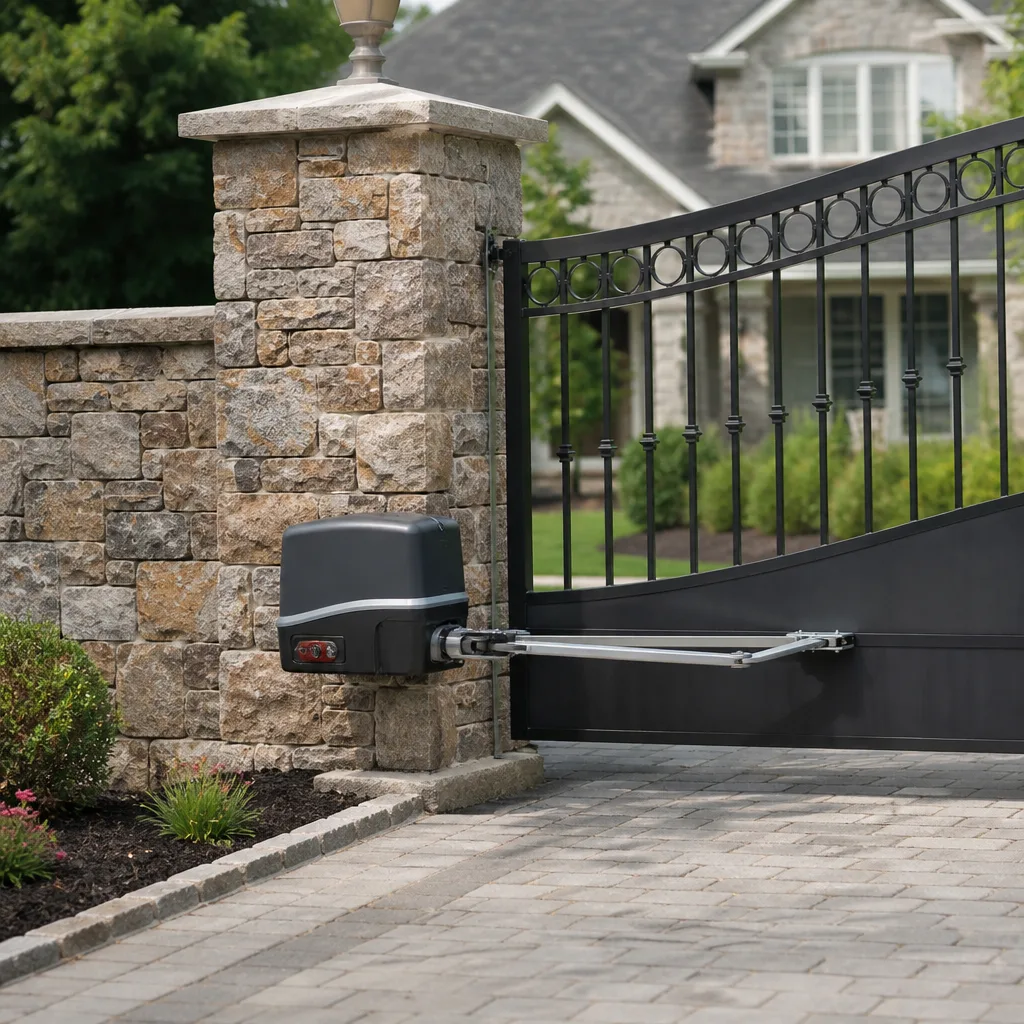 LiftMaster operators
Free on-site gate assessment - hinges, posts, and your LiftMaster or Nice gate operator checked before anything is quoted
The assessment is free and the quote is the invoice.
Get your free estimateSeasonal Gate Repair Care for Surprise: Year-Round Homeowner’s Guide
The gate that fails in July usually needed attention in April. That’s the counterintuitive truth about automatic gates in Surprise: summer heat doesn’t create problems, it exposes the ones that quietly built up during the cooler months. Surprise doesn’t run on four equal seasons. It runs on two punishing ones and two mild ones, and a maintenance calendar borrowed from a spring/fall climate model misses the stress windows that matter here. This guide rebuilds gate care around the actual Surprise weather year: April and May pre-summer prep, the June through September monsoon stretch, October’s damage assessment, and the mild but deceptive winter months. You’ll learn what to inspect, when to inspect it, and how to tell when seasonal wear has crossed into replacement territory.
Quick Answer
Seasonal gate maintenance in Surprise follows a four-part calendar, not a generic spring/fall routine: service the operator and moving parts in April and May before sustained 100°F-plus heat arrives, clear dust and inspect after every monsoon storm within 48 hours, do a full cumulative-damage assessment in October, and check lubrication and metal contraction in the mild winter months from November through February. Gates that get this cycle handled correctly typically reveal small, fixable issues instead of failing outright in peak heat.
Styles & brands we work with
- Wrought iron
- Wood & steel frame
- Farm & ranch
- Sliding driveway gates
- LiftMaster operators
Table of Contents
- Why Surprise’s Season Cycle Breaks Generic Maintenance Advice
- Pre-Summer Prep (April and May): The Window Before 100°F
- Monsoon Season Protocol (June through September)
- Post-Monsoon Assessment (October): Reading Cumulative Damage
- Winter Maintenance (November through February)
- How to Tell When Seasonal Wear Means Replacement
- The Month-by-Month Homeowner Checklist
- Common Mistakes to Avoid
Why Surprise’s Season Cycle Breaks Generic Maintenance Advice
Most gate maintenance advice you’ll find online was written for a place with four moderate, evenly spaced seasons. Surprise doesn’t work that way. The city sits in the Sonoran Desert at the edge of the Valley, where late spring and early summer deliver sustained heat above 100°F, and the monsoon season from June through September brings dust storms, sudden wind gusts, and short bursts of heavy rain that arrive almost without warning. The other half of the year – roughly October through March – is genuinely mild, with warm days and cool nights.
That split matters because gate systems fail on a different schedule than the one most maintenance calendars assume. A gate that sits idle through a mild February isn’t under less stress than one in a cooler climate – it’s under different stress. The two mild seasons are when small problems get set up, and the two punishing seasons are when those problems get cashed in.
What we see in our work across Surprise is consistent: the failures that look sudden almost never are. A control board that dies in August was usually a control board that had been running hotter than it should since May. A sagging slide gate that comes off track in September was often loosening through the spring. The season cycle here is a story of buildup and reveal, not random breakdown.
A few Surprise-specific realities that shape the calendar:
- Sustained heat, not single hot days, is what stresses motors, control boards, and wiring insulation.
- Monsoon dust – sometimes carried in on haboobs – is fine enough to enter operator housings, sensor lenses, and track channels.
- Wind-driven rain pushes water into places it doesn’t drain from quickly in desert soils, which hold water differently than lawns or clay do.
- Mild winters still swing between warm days and cool nights, and metal components expand and contract with those swings.
If you understand those four forces, the rest of the calendar is just timing. This guide walks through each season with the specific inspections and service points that matter, and where a professional call makes more sense than a homeowner check. For a broader overview of what gate repair in this climate involves, see our gate repair service page.
Pre-Summer Prep (April and May): The Window Before 100°F
April and May are the most valuable maintenance months on the Surprise calendar. Temperatures are still manageable, which means a technician can work comfortably and thoroughly, and it’s the last window before sustained heat begins. Anything you catch here is a problem you don’t carry into July.
Here’s what a pre-summer inspection should cover, whether you’re walking the gate yourself or booking a service visit:
- Motor and operator housing. Check that the housing is sealed, that vents aren’t clogged with dust, and that the motor isn’t running noticeably hotter than usual. A motor that hesitates or runs longer than it used to is telling you the bearings or gearing are already working harder than they should.
- Control board and wiring. Look for any loose connections, discoloration, or insect intrusion around the control board. Heat is hard on wiring insulation and circuit components, and heat combined with a pre-existing loose connection is a common recipe for a mid-summer failure.
- Battery backup. If your operator has battery backup, test it now. Batteries degrade faster in heat, and a battery that’s already weak in April will likely be dead by August.
- Hinges, rollers, and track. Clean and lubricate all moving contact points with a lubricant rated for high temperatures. On slide gates, check the track for debris, level, and wear.
- Safety sensors and safety edges. Test every safety device according to the manufacturer’s instructions. Clean the sensor lenses and confirm the beam path isn’t obstructed by landscaping growth.
- Structure and hardware. Check posts, mounting brackets, and hinges for looseness or corrosion. Metal expands in heat, and hardware that’s already loose will only get worse.
One thing to understand about the brands most Surprise homeowners have installed: systems like Ghost Controls or Mighty Mule that are designed for residential DIY installation often have components that benefit from a professional torque and alignment check once a year. We work on whatever gate you have, and in our experience the brand rarely determines whether a pre-summer check is worthwhile – the age and condition do.
Book this service in April or early May. By June, technicians are working in heat that makes thorough inspection harder for everyone, and parts availability can tighten. The goal isn’t to fix something that’s broken – it’s to catch what’s about to break before the stress peaks.
Monsoon Season Protocol (June through September)
Monsoon season in Surprise brings a specific set of hazards, and the biggest one isn’t rain. It’s dust. Haboobs and high-wind dust events carry fine particulate that gets into operator housings, sensor lenses, track channels, and hinge gaps. Combined with sudden wind gusts and short bursts of heavy rain, the monsoon season puts gate systems through more mechanical stress in four months than the rest of the year combined.
What to do after a major storm, within 48 hours:
- Visual inspection before cycling the gate. Look for debris in the track, jammed hinges, or anything that would cause the gate to bind. Don’t run the operator until you’ve confirmed the path is clear.
- Clear dust from the operator housing vents. Clogged vents hold heat in, and monsoon dust reaches places a garden hose won’t. A soft brush or compressed air at low pressure can clear most of it; heavy accumulation may need professional cleaning.
- Wipe sensor lenses and clean safety-edge contacts. Dust on a sensor lens can cause phantom stops or false triggers. Clean carefully with a soft cloth.
- Check for water intrusion. Open the operator housing (if your model allows) and look for standing water or moisture inside. Desert soils drain differently than lawns, and water can pool around posts or under housings longer than you’d expect. If you find moisture, don’t run the operator until it’s dry and inspected.
- Test the full cycle. Open, close, and test all safety devices. A gate that doesn’t reverse properly or that hesitates during a cycle needs professional attention.
- Re-lubricate moving parts after dust events. Dust absorbs lubricant. A fresh application after a significant storm helps prevent premature wear.
One of the most common issues we diagnose on electric gate systems after monsoon season is a control board that’s been damaged by dust accumulation and moisture – not because of a single catastrophic event, but because dust clogged vents, the housing ran hotter, and a small amount of moisture finished the job. Systems like DoorKing operators, which are common in gated communities and multi-unit properties, have robust housings but still benefit from a post-storm check. If your electric gate is acting up after a storm, that’s exactly the kind of diagnostic work our electric gate repair service exists for.
The monsoon rule that matters most: don’t wait until you notice a problem to inspect. A gate that cycled normally yesterday may have a jammed hinge or a waterlogged housing today. The 48-hour window isn’t arbitrary – the sooner you catch dust and moisture issues, the cheaper and easier they are to fix.
Post-Monsoon Assessment (October): Reading Cumulative Damage
October is the assessment month. The stress cycle of summer heat and monsoon storms is over, and what’s left is a system that’s telling you how it weathered the season. Most of the cumulative damage that leads to winter and spring failures shows up most clearly in October, which makes this the best time of year to get a thorough professional inspection.
The components that most often show cumulative damage after a Surprise monsoon season:
- Control boards and wiring. Heat stress, dust accumulation, and minor moisture intrusion add up. A control board that survived the summer may be running at the edge of its tolerance by October.
- Motor bearings and gearing. Heat degrades lubricant and accelerates wear on bearings. A motor that’s been running hotter than it should all summer may still work in October but fail in December or March.
- Sensor alignment and safety devices. Sensors can drift out of alignment over months of wind, dust, and ground movement. A sensor that’s slightly misaligned in October may start causing phantom stops in the cooler months when metal contracts and tolerances shift.
- Track and roller condition on slide gates. Dust and debris from the monsoon season accumulate in tracks and on rollers. Wear that was minor in June is often meaningful by October.
- Hinges, posts, and hardware. Wind gusts flex gate structures. Loose hinges and hardware that tightened during the dry months may need re-torquing and inspection for stress cracks.
- Paint and finish. The desert sun and monsoon dust take a toll on paint and protective coatings. An October assessment is the right time to plan touch-ups before winter.
What you’re looking for in October isn’t a single failure. It’s the pattern. If two or three components are showing wear at the same time, that’s the signal that the system as a whole is approaching the point where repair costs start to climb faster than they used to. A gate that needs one repair a year is normal wear. A gate that needs three is a gate that’s telling you something.
If you’re a property manager or HOA board member overseeing a gated community in Surprise, an October assessment across all gates is one of the highest-value maintenance moves of the year. It catches problems while they’re still small and gives you a realistic picture of next year’s budget. See our Surprise page for a broader look at how we work with residential and community gates in this area.
Winter Maintenance (November through February)
Surprise winters are mild, and that’s exactly why they get skipped. But the mild months aren’t maintenance-free – they’re a different kind of maintenance. The main force at work in winter isn’t heat; it’s temperature swing. Warm days and cool nights cause metal components to expand and contract, and over a season those cycles loosen hardware, work lubricants into spots they weren’t meant to go, and shift tolerances in ways that don’t show up until spring.
What to check during the winter months:
- Lubrication on hinges, rollers, and moving contact points. Cooler temperatures thicken lubricants, and a lubricant that’s too heavy for the temperature can make a gate sluggish. Clean and reapply a lubricant rated for the temperature range you’re in.
- Hardware torque and tightness. Check post anchors, mounting brackets, and hinge bolts. The expansion/contraction cycle loosens connections, and an anchor bolt that’s slightly loose in January is an anchor bolt that’s noticeably loose by April.
- Track alignment on slide gates. Metal contraction can shift track alignment. A slide gate that’s been running smoothly all year may start to bind in cool weather.
- Wiring and connections. Temperature swings can loosen wire connections at terminal blocks. This is also the season to check for any corrosion or insulation damage that built up over the summer.
- Battery backup. Test battery backup in cooler weather. Batteries that were stressed by summer heat may still hold a charge in winter but be near the end of their life.
- Safety device function. Test every safety device. Cooler temperatures can affect sensor performance and safety-edge pressure sensitivity.
For systems like Elite gates that are common on residential driveways, winter is a good time for a full cycle test under load – open and close the gate several times and listen for changes in motor sound or gate movement. A gate that sounds different in January than it did in October is telling you something.
Winter is also the season for planning. If your October assessment flagged components that are nearing the end of their service life, winter is when you can schedule repair or replacement work without the urgency of a summer failure. Surprise’s mild winters make outdoor gate work genuinely practical, and the scheduling is easier.
How to Tell When Seasonal Wear Means Replacement
The cumulative damage threshold is the thing most homeowners miss. Gates don’t fail all at once; they fail in small increments, and the increment where repair stops being the right answer varies by system. But there are reliable signals that seasonal wear has crossed into replacement territory.
Watch for these patterns:
- Rising repair frequency. If you’re booking a repair more than once or twice a year on the same system, the math is starting to shift. Each repair is a symptom, not the underlying wear.
- Multiple component failures at once. A single motor failure is a repair. A motor failure combined with control board issues and track wear is a system telling you the whole thing is aging out together.
- Repairs that fix symptoms without fixing the cause. If a technician is coming back to the same gate repeatedly for the same type of problem, the root cause is usually structural, not component-level.
- Parts availability for older systems. Older models from some brands become harder to source parts for. When a single component repair requires waiting on scarce parts, replacement often becomes the practical choice.
- Safety device failures that recur. Repeated safety sensor or safety edge failures are a safety issue first and a repair decision second. Any gate that doesn’t reliably reverse or respond to safety inputs needs attention now.
- Structural and post issues. Post movement, cracked hinges, or bent track from cumulative stress are often signs that the gate structure itself is nearing end of life.
The mental shortcut: if you’re weighing repair costs against replacement costs and the ratio is getting close, replacement usually wins on a five-year view. The other signal is comfort. A gate that you no longer trust to open and close reliably every time has already made the decision for you.
Because we handle both repair and new installation, we can give you an honest answer on which side you’re on. We’re not in the business of pushing replacement on a gate that has years left. Our work on systems from Mighty Mule, Elite, and other brands includes full installation, and a replacement quote is part of what we’ll walk through if the assessment points that direction.
The Month-by-Month Homeowner Checklist
This is the condensed version – a quick-reference calendar you can keep handy. It’s built around the Surprise season cycle, not a generic four-season model.
April and May: Pre-Summer
- Book annual professional inspection
- Clean and lubricate all moving parts
- Test battery backup
- Check operator housing seals and vents
- Test all safety devices
- Inspect control board and wiring connections
June through September: Monsoon Season
- After any major storm, inspect within 48 hours
- Clear dust from housing vents
- Wipe sensor lenses
- Check for water intrusion
- Re-lubricate after dust events
- Test full cycle after every significant storm
October: Post-Monsoon Assessment
- Full professional inspection
- Assess control board, motor, wiring, and sensor condition
- Check track and roller condition on slide gates
- Inspect hardware for wind-related stress
- Plan winter and spring repairs based on findings
November through February: Winter
- Check lubrication with cooler-temperature-appropriate product
- Re-torque hardware and anchor bolts
- Check track alignment on slide gates
- Test wiring connections
- Test battery backup again
- Test all safety devices
That’s the year. Four blocks, none of them optional, and the system delivers a whole lot less drama in July if the April work was done. For more on the specific repairs any of these checks might flag, our main Gate Repair Surprise page is a good place to start.
Common Mistakes to Avoid
- Skipping the pre-summer check because the gate is working fine. “Working fine” in April is the goal of the whole calendar. The check isn’t for broken gates; it’s for gates that work fine but are about to stop.
- Running the gate to “test” it before clearing debris after a storm. A single cycle with a jammed hinge or debris in the track can turn a small issue into a bent track or a burned-out motor.
- Using the wrong lubricant. Heavy greases that work in cooler climates can make Surprise gates sluggish in winter and attract dust in summer. Use lubricants rated for desert temperature ranges.
- Ignoring dust accumulation in the operator housing. It’s easy to assume the housing is sealed from dust. It isn’t. Vents, seams, and gaps accumulate fine dust that holds heat, and heat is what kills control boards.
- Treating every repair as a one-off. The technician’s job is to fix what’s broken. Your job as an owner is to notice patterns. If you’re seeing the same failures returning, the seasonal wear has crossed into replacement territory.
- Assuming winter is a maintenance-free season. Winter in Surprise is mild, but the temperature swings are real and metal components respond to them.
- Waiting for a failure before calling a specialist. The best window to deal with a gate problem is always the season before it fails.
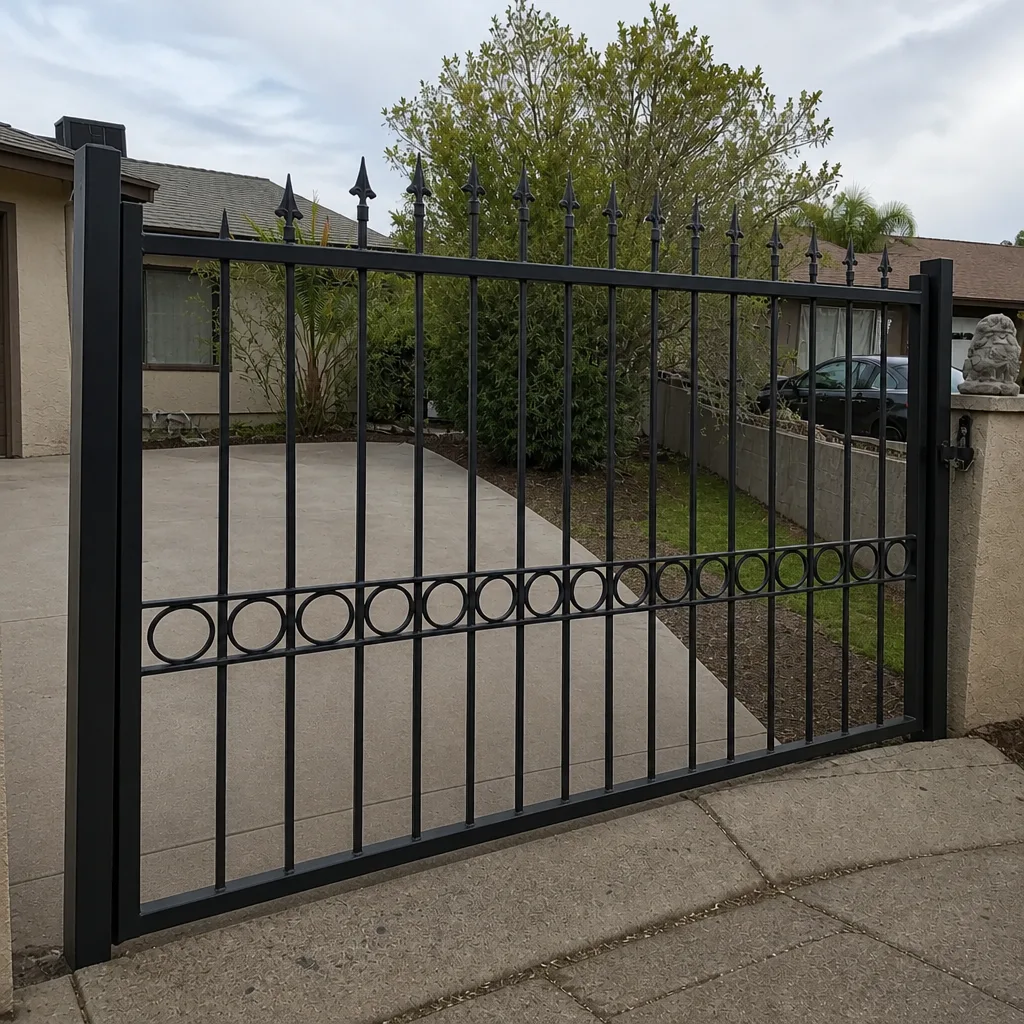
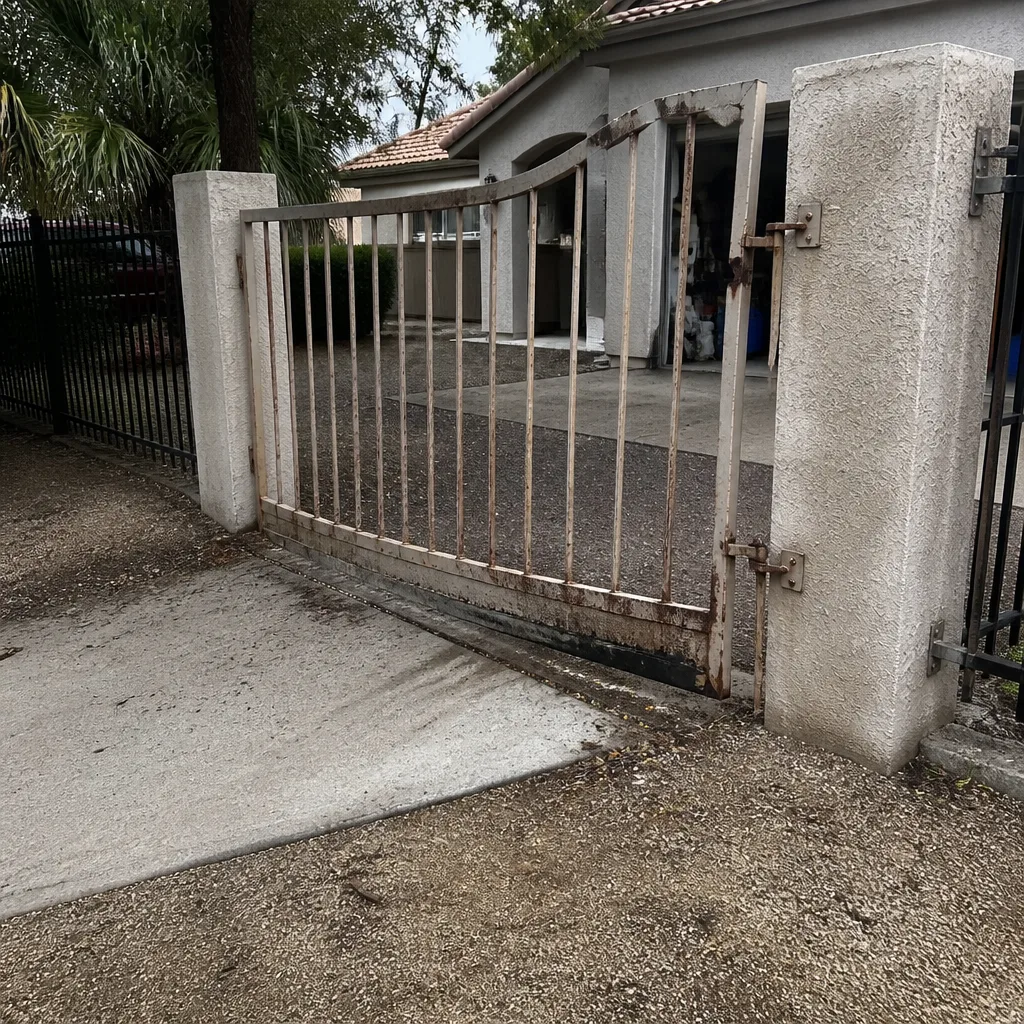
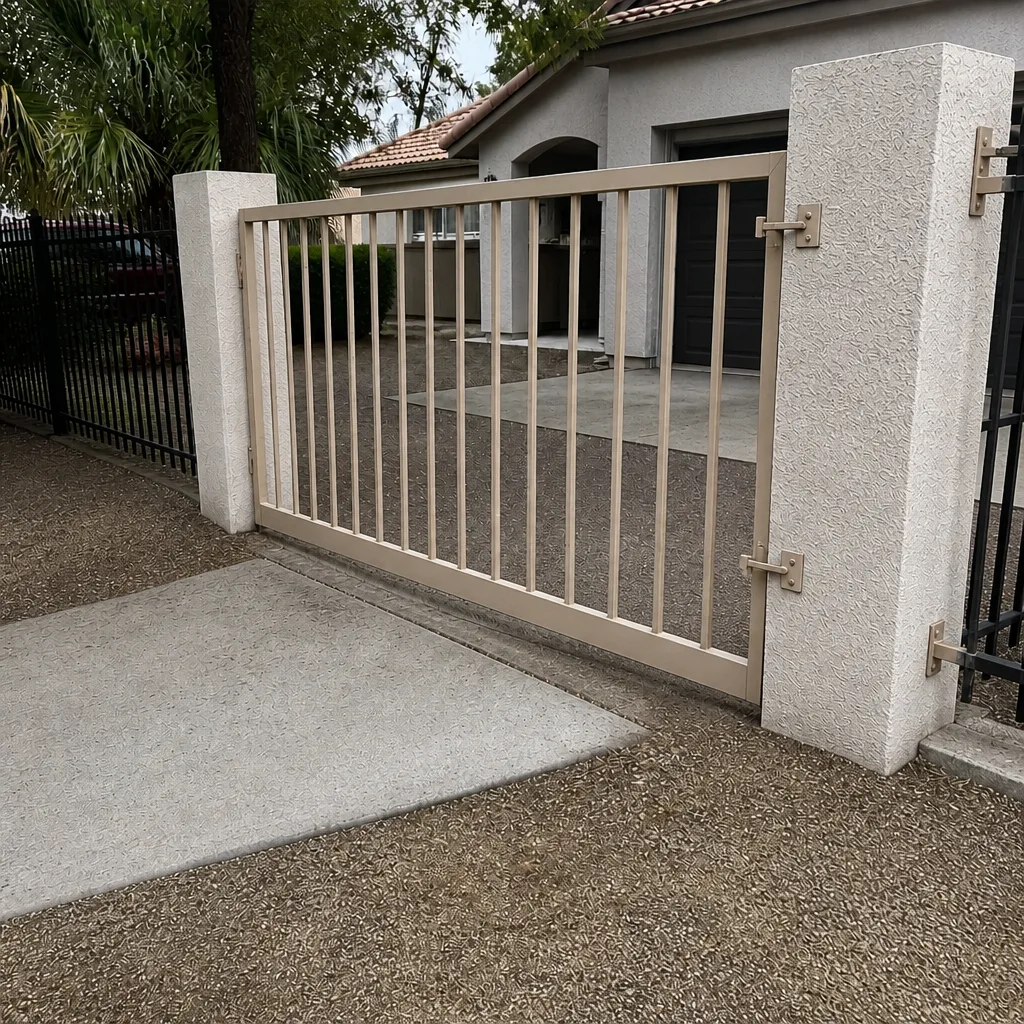
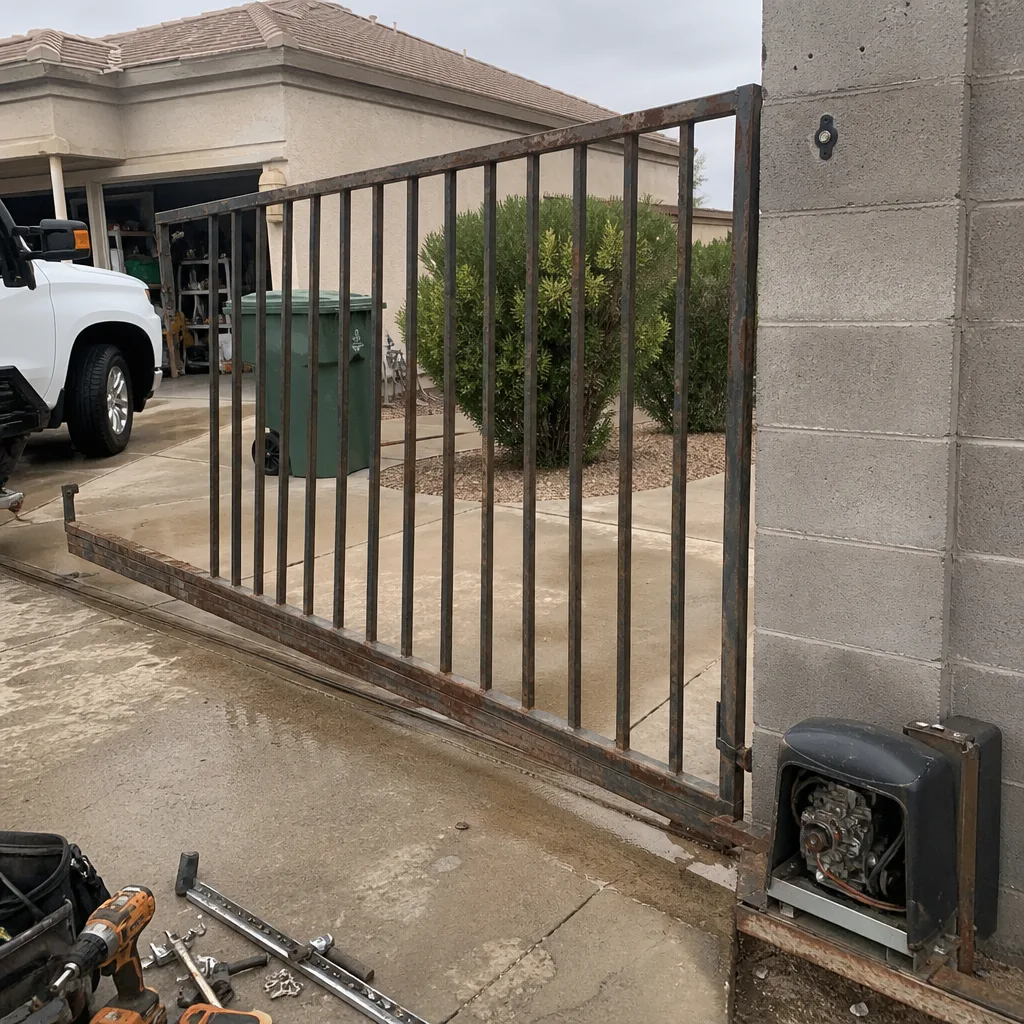
See the difference
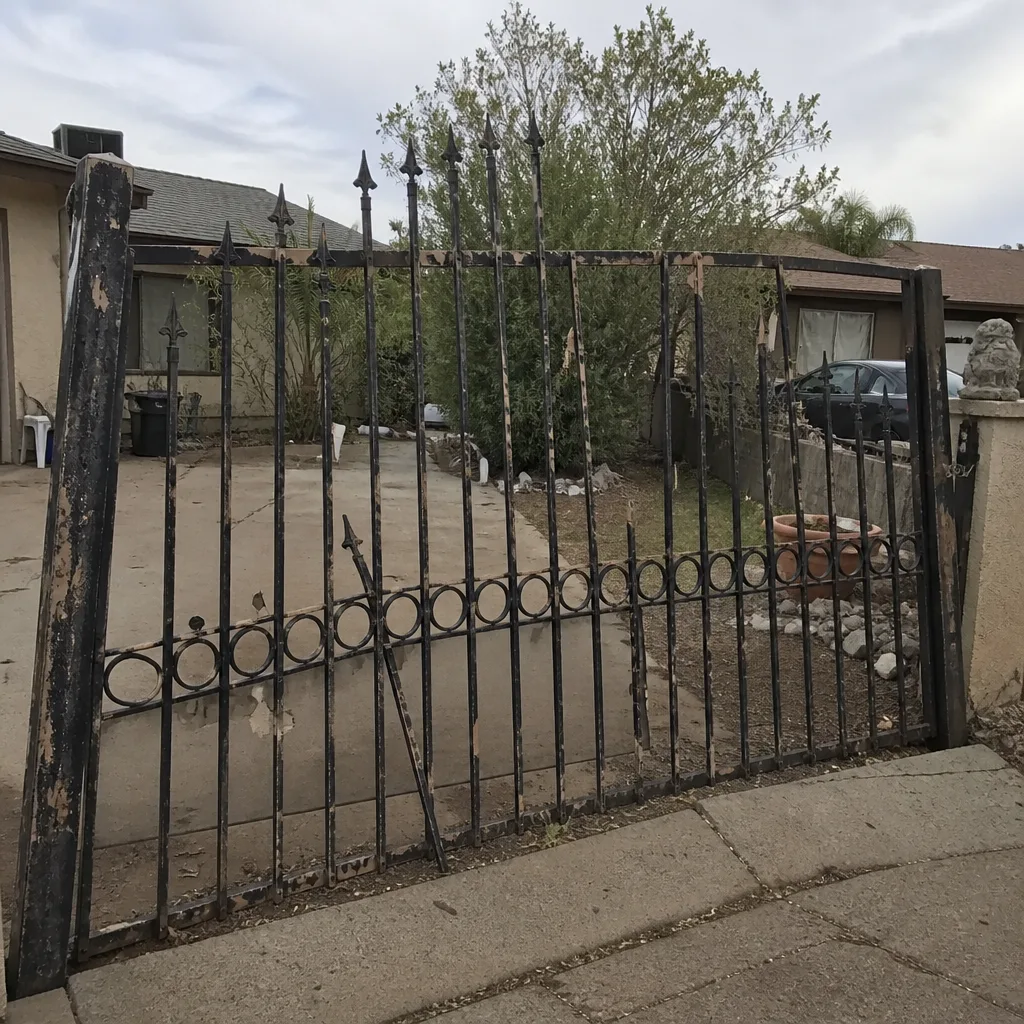 Before
 After
 Before
 After
 Before
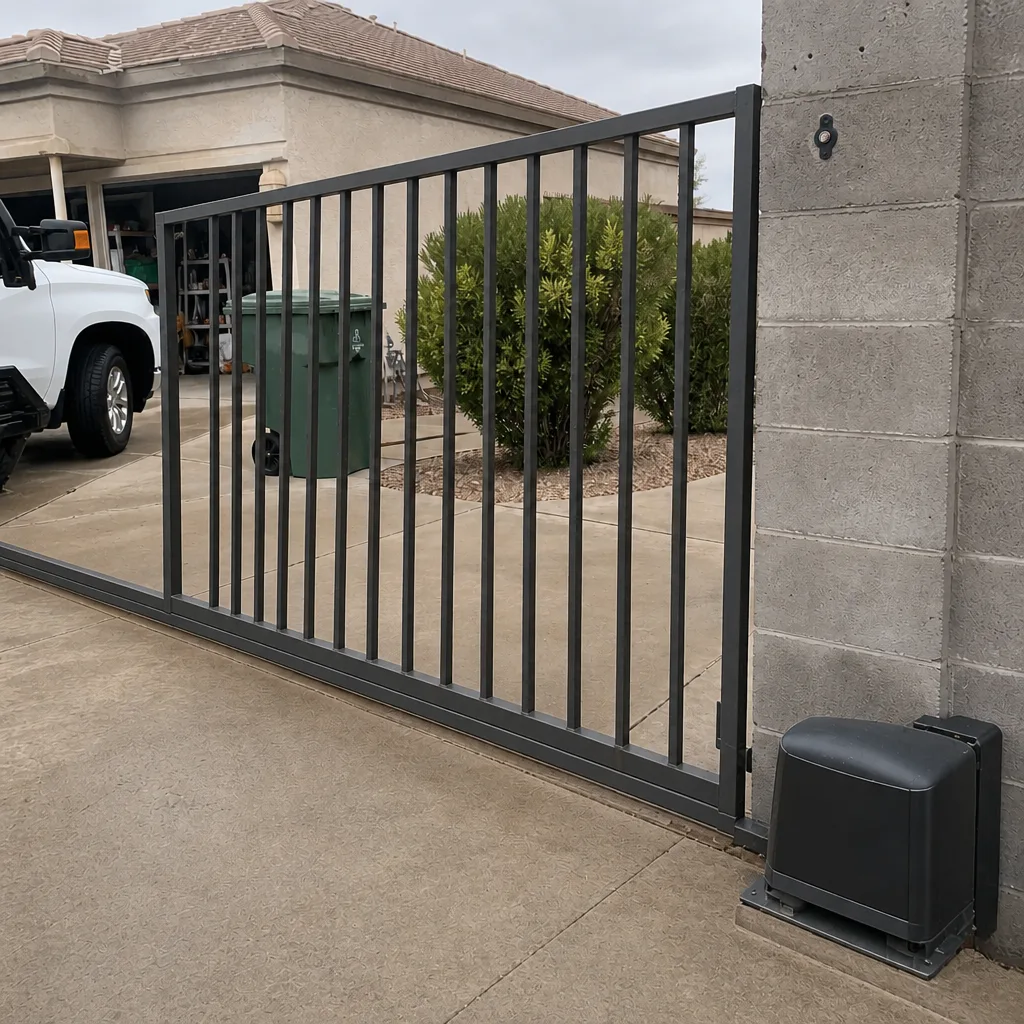 After
When to Call a Professional
Most of this guide is stuff a careful homeowner can check on their own. But some situations need a trained technician, and knowing the line matters. Call for any issue with electrical components, wiring, or control boards – those are safety-critical systems, and a control board that fails under load can leave a gate in an unsafe state. Call if a safety sensor or safety edge fails to trigger correctly, if the gate doesn’t reverse on obstruction, or if you feel any hesitation or binding during a cycle. Call after any storm where you find water inside the operator housing, any visible damage to the gate structure, or any change in motor behavior after a storm. And call if the seasonal wear assessment points toward replacement – a professional on-site estimate is the right way to make that decision. Gate Repair Surprise offers free estimates throughout Surprise – call (877) 657-0401. We answer 24/7, with fast dispatch from 7am to 7pm Sunday through Friday. Our technicians have up to 13 years of experience and handle both repair and installation on all the major gate brands.
Frequently Asked Questions
Twice a year is the right baseline for most Surprise gates: a thorough pre-summer service in April or May and a post-monsoon assessment in October. Systems that are older, automated, or part of a gated community may benefit from quarterly checks. Beyond scheduled service, inspect after every major monsoon storm, which is the single biggest determinant of how well a gate system holds up through the year. Call (877) 657-0401 for an exact quote on scheduling a service visit – estimates are free.
Dust intrusion and heat stress on control boards and motors. Fine dust from monsoon haboobs gets into operator housings through vents and seams, clogs the airflow, and lets the control board run hotter than it should. By the time the board fails, it’s usually been running at the edge of tolerance for months. The second most common cause is lack of lubrication on moving parts, which accelerates wear during the high-use summer months. Both issues are exactly what the pre-summer check is designed to catch, and both are why an April service call pays for itself.
Inspect the gate for debris in the track, jammed hinges, or anything that would cause it to bind. Clear dust from the operator housing vents. Wipe down sensor lenses and safety-edge contacts. Check for water intrusion inside the housing. Then test the full cycle, open and close, and confirm all safety devices respond. If anything hesitates, binds, or doesn’t reverse properly, stop using the operator and call a professional. Call (877) 657-0401 for a service visit – estimates are free.
Yes, specifically lubrication and hardware checks. Winter in Surprise is mild but not static: warm days and cool nights cause metal components to expand and contract, which loosens bolts, shifts track alignment, thickens lubricant, and can loosen wiring connections. The correct lubrication for cooler temperatures matters, and re-torquing anchors and mounting hardware in winter prevents spring discoveries. If your gate starts binding or sounding different in November or December, that’s the winter contraction cycle doing its thing, and it needs to be addressed.
Look at frequency and pattern. If you’re booking repairs more than once or twice a year, if multiple components are failing around the same time, or if your technician keeps fixing symptoms while the underlying issue returns, the gate has likely crossed the cumulative wear threshold. A professional on-site assessment is the right way to make that call. Because we handle both repair and full installation, we can give you a straight answer on which side is more cost-effective. Call (877) 657-0401 for a free estimate.
The calendar is the same for every brand, but the specific components and their tolerances vary. Residential systems from Ghost Controls and Mighty Mule, community and commercial operators like DoorKing, and driveway systems from Elite all benefit from the same April/May-October core service, but the inspection points and part wear rates differ. We work on whatever gate you have, across nine major brands including LiftMaster, FAAC, BFT, Linear, Viking, Ghost Controls, DoorKing, Elite, and Mighty Mule, so we can adapt the schedule to your specific system. Call (877) 657-0401 for a free estimate.
The Bottom Line
Surprise doesn’t have a four-season model. It has two stress seasons – late spring heat and the summer monsoon – and two mild seasons that set up what happens in the stress months. The maintenance calendar that works here is built around that reality: a thorough April/May pre-summer service, a 48-hour post-storm protocol through the monsoon months, an October assessment to read cumulative damage, and a winter check for lubrication and contraction issues. Do all four and your gate system will behave predictably through the year. Skip any one and the bill usually finds you in July. Every gate we see has a story, and the story is almost always the calendar that wasn’t followed. Call (877) 657-0401 for a free estimate on a seasonal service visit or a full system assessment.
Written by the team at Gate Repair Surprise.