
Last updated November 15, 2026
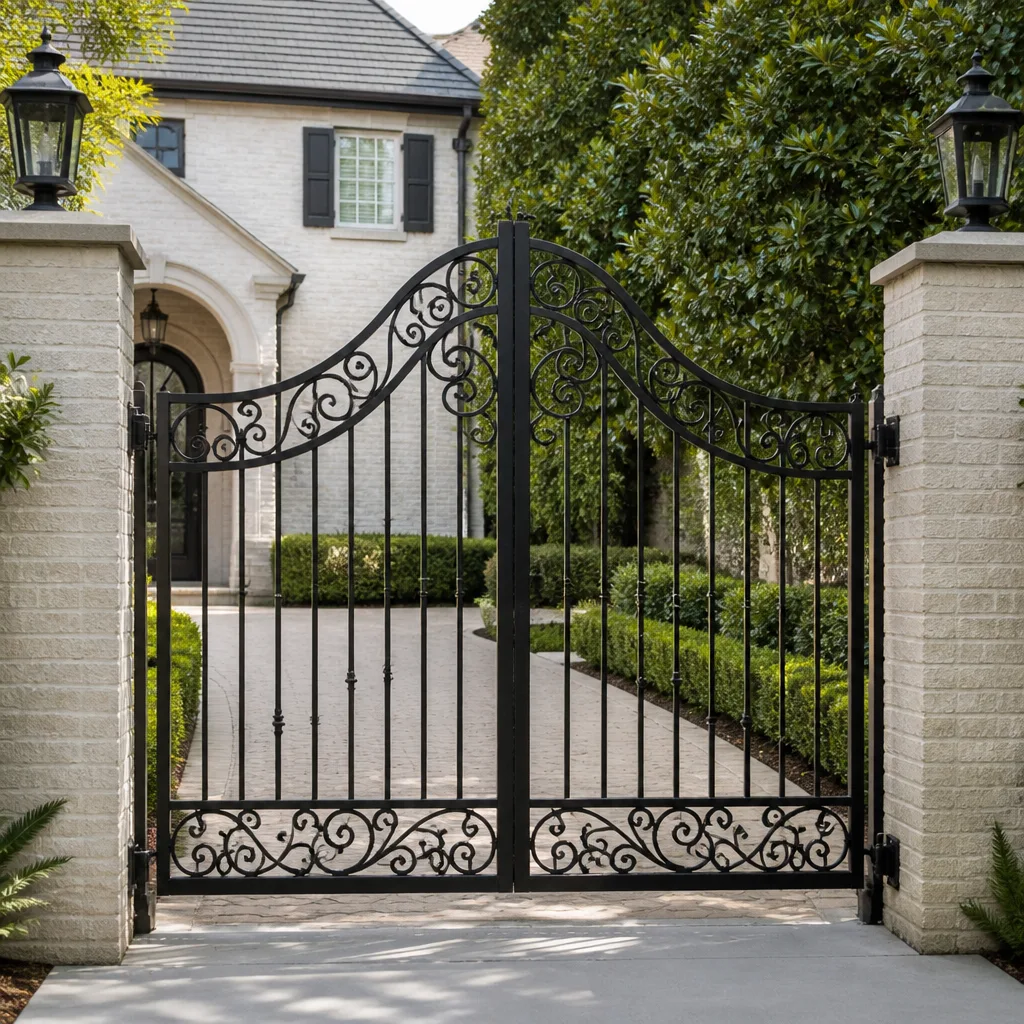 Wrought iron
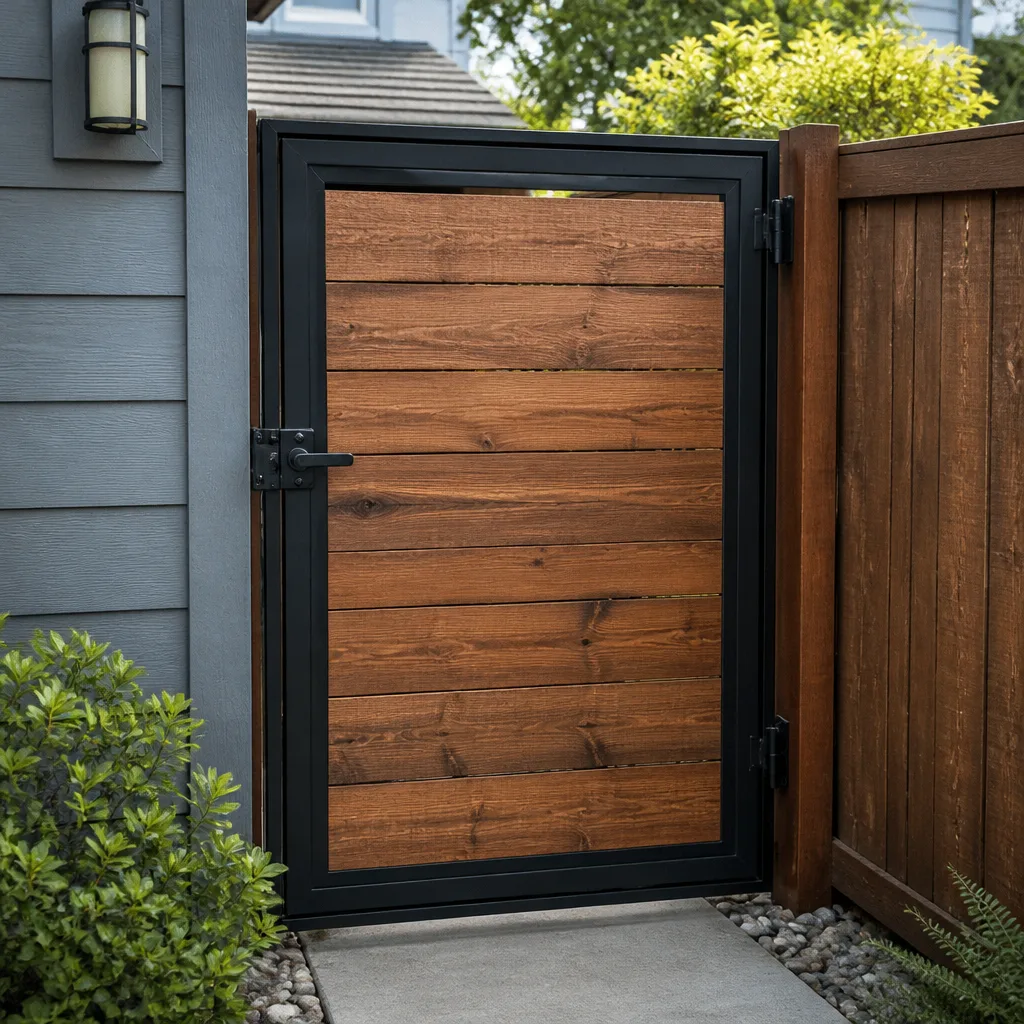 Wood & steel frame
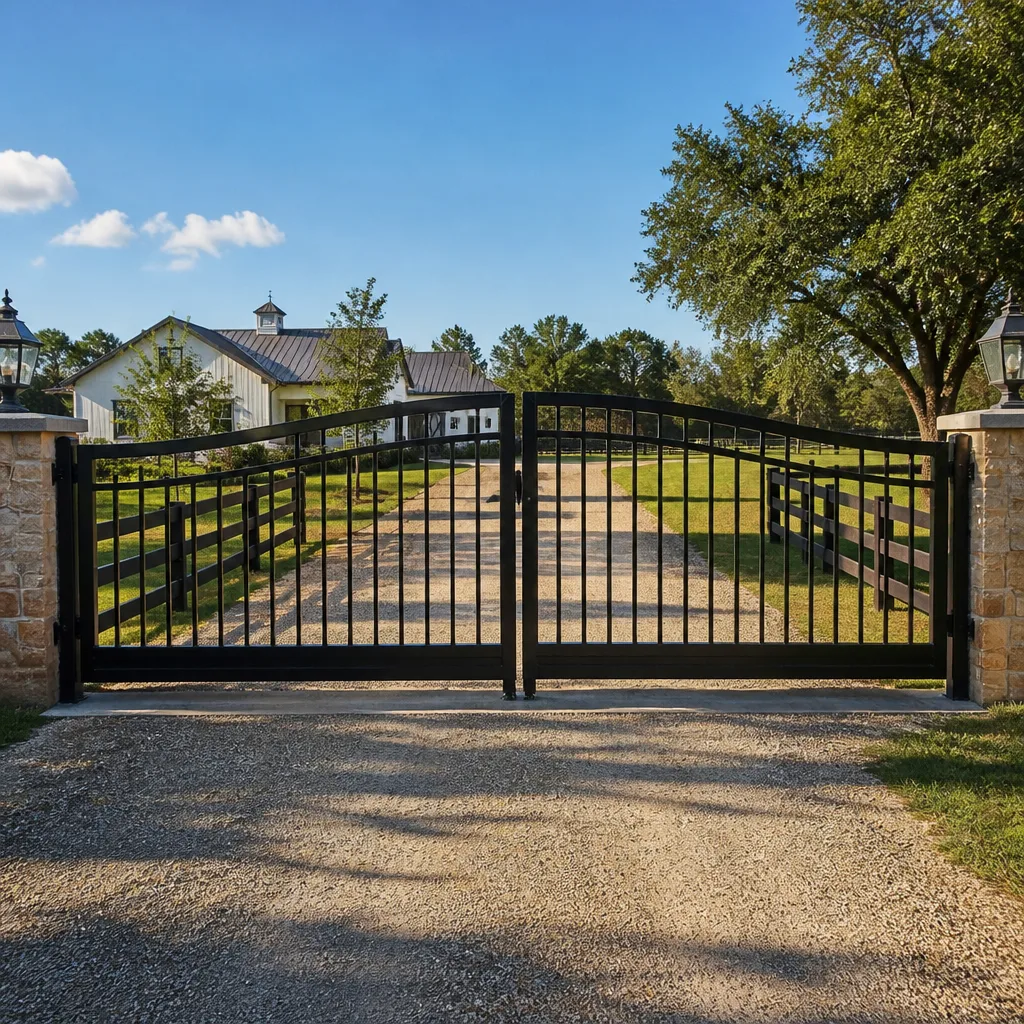 Farm & ranch
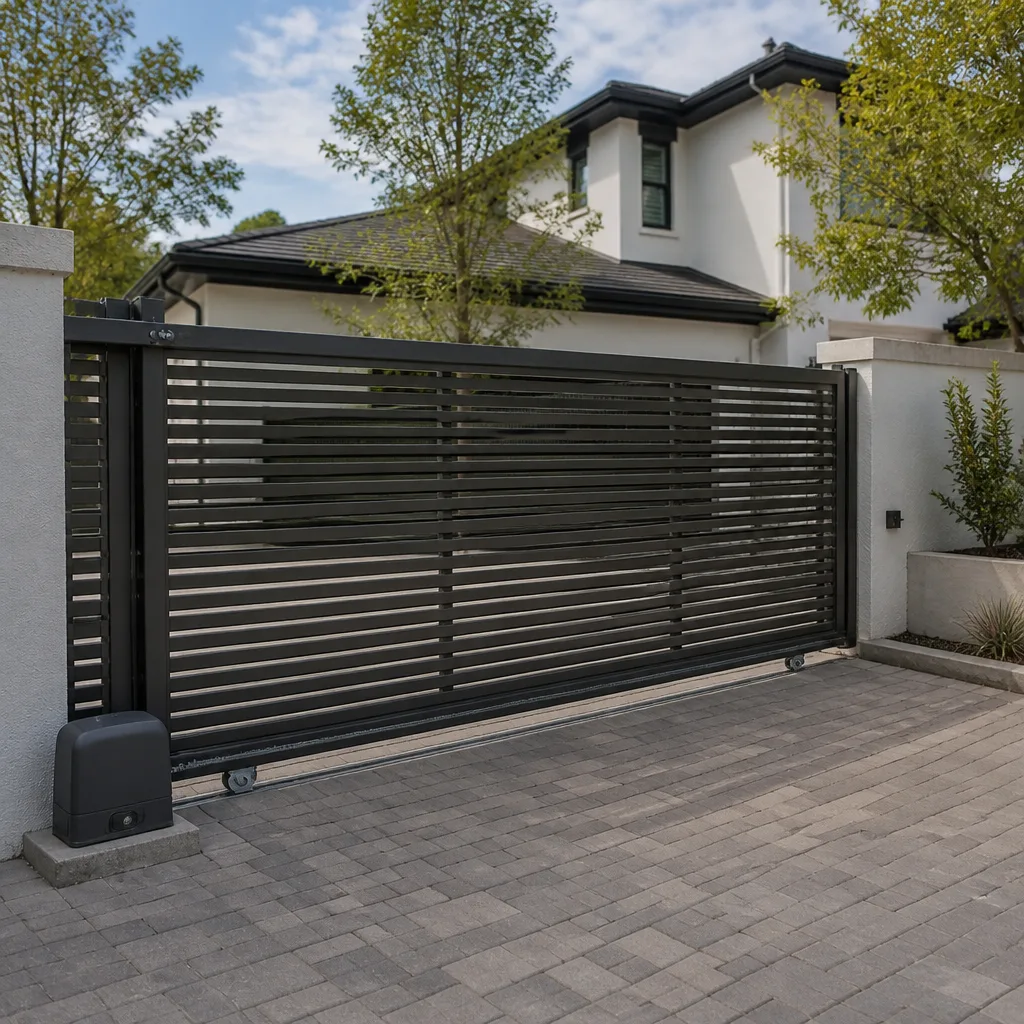 Sliding driveway gates
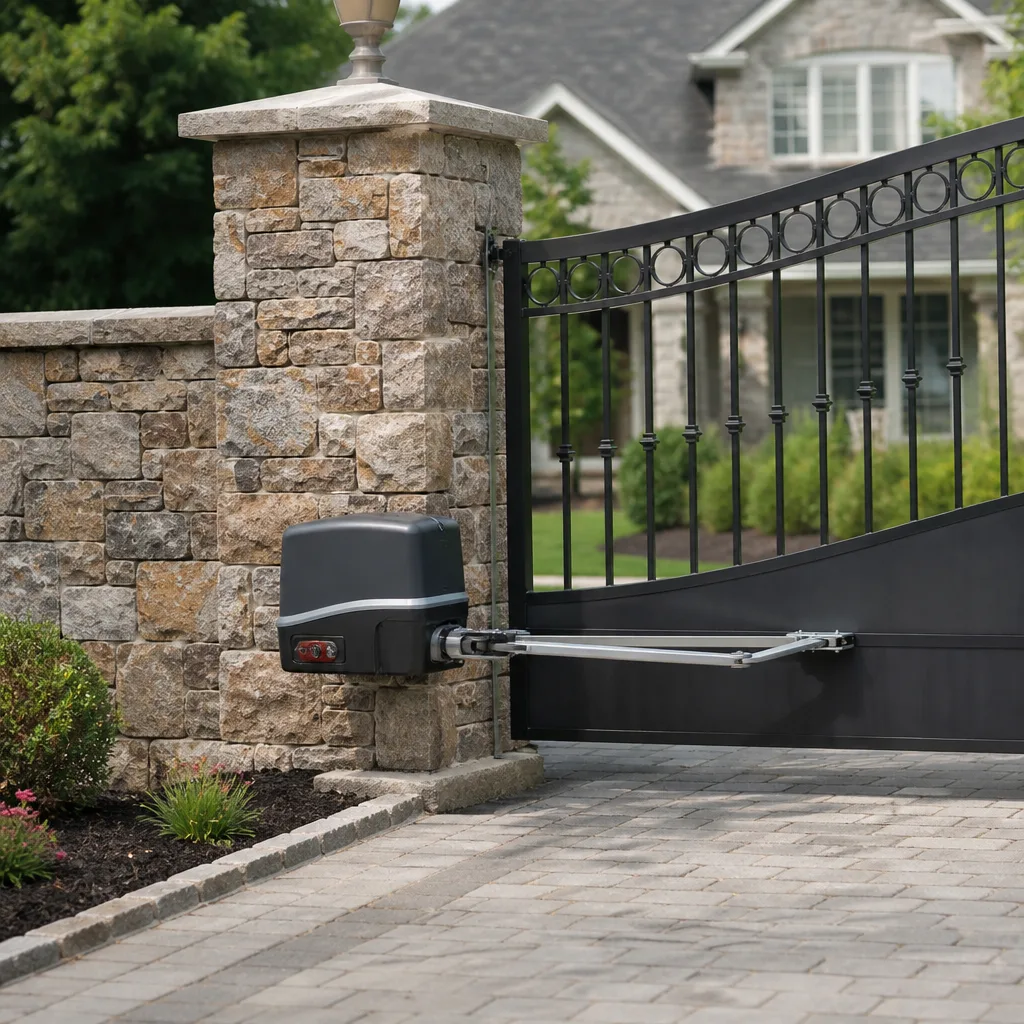 LiftMaster operators
Free on-site gate assessment - hinges, posts, and your LiftMaster or Nice gate operator checked before anything is quoted
The assessment is free and the quote is the invoice.
Get your free estimateChoosing the Right Gate Repair Brand: A Buyer’s Guide for Surprise
Most gate buyers start with the wrong question. They ask which brand has the best features, the slickest app, or the longest warranty list. But the gate brand with the most impressive spec sheet is the wrong choice if the nearest technician who knows it is across the Valley in Scottsdale and a replacement control board takes two weeks to arrive. In a market like Surprise, serviceability is a spec. It belongs on the comparison sheet right next to duty cycle and heat tolerance. This guide walks you through matching operator type, duty cycle, and thermal limits to how your gate actually gets used, then shows you how to check that real repair support exists for that brand here in the northwest Valley.
Quick Answer
The right gate brand for a Surprise property is the one that matches your gate’s weight and daily cycle count, publishes thermal ratings suited to sustained 110°F+ summer heat, and has technicians and parts available locally when it breaks. For most residential driveways, a well-specified LiftMaster or FAAC operator works well; for HOA and multi-unit entrances, DoorKing and Elite are common and well-supported. Popularity matters less than serviceability.
Styles & brands we work with
- Wrought iron
- Wood & steel frame
- Farm & ranch
- Sliding driveway gates
- LiftMaster operators
Table of Contents
- Why Duty Cycle Comes Before Brand Name
- Heat Tolerance: What 110°F+ Summers Do to Gate Operators
- Parts Availability and Technician Density in the Phoenix Metro
- How HOA Gate Specs Differ From Single-Home Specs
- Proprietary vs. Open Parts: Your 10-Year Cost of Ownership
- A Practical Look at the Brands We Service in Surprise
- A Step-by-Step Brand Evaluation Checklist
- When Repair Beats Replacing a Brand You Already Own
Why Duty Cycle Comes Before Brand Name
Duty cycle is the number of open-and-close cycles an operator is built to handle per hour or per day, and it’s the single most important number on the box. Get it wrong and the most reputable brand on the market will still fail early. Get it right and a mid-tier operator will run for years. In our experience, the mismatch is the most common reason automatic gates fail prematurely around Surprise, and it almost always traces back to one root cause: a residential-duty operator installed on a gate that opens dozens of times a day.
Here’s how the three classes generally break down:
- Residential duty – built for a handful of cycles per hour. Fine for a single-family driveway where the gate opens for the morning commute, a delivery, and the evening return.
- Light commercial – rated for higher cycle counts and longer continuous operation. The starting point for small apartment complexes, shared driveways, and busy home-based businesses.
- Heavy commercial – engineered for near-continuous use, with heavier gearing and motor assemblies. What gated communities, storage facilities, and high-traffic entrances need.
A gate operator that runs past its rated duty cycle doesn’t fail dramatically. It overheats, its thermal protection kicks in, and it starts pausing or refusing to open. Homeowners often mistake this for a sensor or control board fault. In an HOA setting with hundreds of daily cycles, an under-specified operator can spend its whole life cycling on and off its thermal limit. That’s the failure mode we see most often, and no brand name cures it. Only the correct spec does.
Before you compare brands, figure out your real cycle count. Count how many vehicles pass through the gate on a typical weekday, add deliveries and visitors, and multiply by a healthy margin. If you’re near the top of a residential operator’s rating, move up a class.
Heat Tolerance: What 110°F+ Summers Do to Gate Operators
Sustained summer heat above 110°F is a hard test for any motorized gate system, and Surprise delivers that heat for months at a time. Motors, control boards, batteries, and wiring insulation all degrade faster in high ambient temperatures. Heat ages capacitors, it stresses solder joints on control boards, and it shortens the life of backup batteries in solar and battery-backed operators. A brand that performs flawlessly in a mild climate can develop a steady stream of small electrical faults here.
Thermal ratings are where brands separate. Some manufacturers publish ambient operating temperature ranges for their operators and control enclosures. Others don’t publish them clearly, or bury them in a spec table that most homeowners never see. When you’re evaluating a brand, this is worth asking about directly:
- Ask for the operator’s maximum rated ambient operating temperature, not just its motor temperature.
- Check whether the control enclosure is rated for outdoor installation in full sun, and whether a sunshade is recommended.
- Ask about the rated duty cycle at high ambient temperature, since some operators are de-rated in heat.
- Confirm that backup batteries, if present, are rated for high-temperature charging, which is a real weak point in this climate.
In practice, a few design choices matter more than any single rating: a properly sized metal control enclosure, airflow around the motor, and shade over the operator housing. Many field failures we’re called out to in Surprise are heat-driven electrical faults, not mechanical breakdown, and a brand whose parts hold up to the heat will cost you far less in control board and battery replacements over the years. If you already own an automated gate and it’s acting up in the summer, that’s a service call, not a brand verdict. Our electric gate repair covers control boards, sensors, motors, and wiring on automated systems.
Parts Availability and Technician Density in the Phoenix Metro
A gate brand is only as good as the support network behind it, and in the northwest Valley that network is what separates a smooth repair from a two-week outage. “Technician density” means how many qualified people in your area actually know the brand and can diagnose it, and “parts availability” means how quickly the right control board, sensor, or motor can reach your property. Both matter more in an emergency than any feature on the spec sheet.
When you evaluate a brand, ask these questions of any company that would service it:
- Can they diagnose your specific brand’s control board without ordering a replacement first on a guess?
- Do they keep common wear parts on hand, or does every part get ordered per call?
- How long does a typical special-order part take to arrive from the manufacturer?
- Do they work on the brand as a matter of routine, or would yours be the first they’ve seen?
This is where a brand-agnostic specialist has an edge. We work on whatever gate you have across nine major brands, so the diagnosis centers on the actual fault rather than forcing your system toward one manufacturer’s standard fix. For a Surprise residential property, that range means you’re not stuck waiting on a single brand’s supply chain. For gate repair, knowing the brand is the starting point, but diagnosing the real problem is the job.
How HOA Gate Specs Differ From Single-Home Specs
An HOA entrance gate is a fundamentally different machine from a driveway gate, even when they look similar. The differences come down to cycle count, security requirements, and the number of people who depend on the gate working every single day. A single-family driveway gate might cycle twenty or thirty times a day. A gated community entrance cycles hundreds of times, and it fails in the public eye, with residents and guests waiting at the barrier.
Some HOA management companies around Surprise maintain a list of gate brands they’ve approved or worked with before, and matching that list saves property managers a lot of friction. The specs you’ll see in those situations tend to emphasize:
- Higher duty cycle – commercial-grade operators sized for continuous traffic rather than a single household.
- Access control integration – keypads, vehicle sensors, and entry systems that tie into the community’s access management. DoorKing access control equipment shows up often in these setups, and it’s a system we service routinely.
- Loop and safety-edge compliance – the detection and reversing systems that keep pedestrians and vehicles safe at a shared entrance.
- Reliability guarantees – property managers care about uptime, so they favor brands with strong local parts support and faster repair turnarounds.
If your HOA has a preferred or approved brand list, treat it as real information, not bureaucracy. Those brands were likely chosen because management knows they can be kept running in this market. A single-home buyer has more freedom, but the same logic applies: a brand with real service support near you beats a flashier brand with none.
Proprietary vs. Open Parts: Your 10-Year Cost of Ownership
The sticker price of a gate operator is the smallest part of what it costs you. What you’re really buying is a decade of parts, service calls, and downtime, and that’s where brands with proprietary components and brands with open parts ecosystems diverge sharply. It’s a difference most buyers never consider until the first repair bill arrives.
Brands with proprietary parts tend to build tight systems where control boards, remotes, and sensors are tightly matched to the operator. The benefit is predictable performance and a clean, integrated design. The risk is that every replacement part, including common wear items, comes from that manufacturer at their price, with their lead time. If that single manufacturer’s supply chain slows down, so does your repair.
Brands with open parts ecosystems allow compatible third-party components and standardized parts, so wear items and accessories are often available faster and at a lower cost. The trade-off is that cheaper parts aren’t always equal to the originals, so you want a specialist who knows which components are worth a name brand and which compatible parts hold up fine.
Over ten years, the operator with the cheaper purchase price can easily cost more to own if parts are proprietary, hard to source, or premium-priced. We’ve seen both patterns play out across Surprise properties. The brand that keeps your total cost down isn’t always the one with the lowest up-front number, so weigh the two together. Ask each company you talk to which category your brand falls into and what a typical mid-life repair involves.
A Practical Look at the Brands We Service in Surprise
We diagnose and repair the widest range of residential and commercial gate brands, and the breadth is the point. A generalist might be fluent in one or two names and improvise on everything else. We work across LiftMaster, FAAC, BFT, Linear, Viking, Ghost Controls, DoorKing, Elite, and Mighty Mule, with both mechanical repair and automated system knowledge. Here’s a look at how a few of those names typically show up in the market, so you can map brand to use case.
- LiftMaster – a familiar name in residential automation with broad dealer support, commonly matched to single-driveway swing and slide gates.
- FAAC – European-style operators with a reputation for solid mechanical design, found on both residential and lighter commercial gates.
- DoorKing – access control and entry equipment that frequently appears in HOA and multi-unit community settings.
- Elite – commercial and heavy-duty operators built for continuous use, a fit for busy shared entrances.
- Ghost Controls – residential-friendly automation geared toward do-it-yourself and lighter driveway gates.
- Viking and Linear – access and operator lines often seen in residential and light commercial installations.
- BFT and Mighty Mule – operators that turn up on a range of residential systems, each with its own parts and service profile.
The takeaway isn’t that one name beats another across the board. It’s that each brand has a sweet spot: a duty class and a use case it’s built for. Putting a brand in the wrong spot is the mistake, not choosing the brand itself. And when your system needs work, the ability to service whatever brand you own without sending you elsewhere is what keeps you running.
A Step-by-Step Brand Evaluation Checklist
Use this sequence when you’re choosing a brand for a new gate or comparing replacement options. It puts the practical questions ahead of the marketing ones, which is where they belong.
- Measure your gate and count your cycles. Note the gate’s width, weight, and material, then estimate daily open-and-close cycles for a typical weekday. That number sets your minimum duty class.
- Match duty class to the numbers, not the price tag. Choose residential, light commercial, or heavy commercial based on real usage, especially for HOA and shared entrances.
- Ask for published heat and ambient ratings. Confirm the operator and control enclosure are rated for sustained high temperatures and full-sun exposure.
- Check local parts and service support. Ask a local gate company whether they routinely service the brand and how quickly special parts arrive.
- Check HOA approval if it applies. Confirm whether the brand is on any approved list maintained by your community’s management company.
- Weigh proprietary against open parts. Estimate which gives you the better 10-year outlook for repairs and replacements.
- Confirm the full lifecycle is covered. Make sure the company you choose handles installation, mechanical repair, and electric/automated diagnostics, so you’re not handed off mid-stream.
Run through this checklist and you’ll usually find two or three brands that fit cleanly, plus a clear reason to choose among them. If you’re building a new entrance or replacing an old operator, our Gate Repair Surprise team handles installation as well as repair under one roof, so the choice you make is one you can actually keep serviced.
When Repair Beats Replacing a Brand You Already Own
A common misconception is that an older or unfamiliar brand leaves you with no option but a full replacement. Often the cheaper, faster path is a correctly diagnosed repair. Before you price a new operator, find out what actually failed. Many problems that look like a brand problem are a worn component, a fouled sensor, a heat-stressed control board, or a wiring fault, all of which can be fixed on the system you already have.
When is repair the better call?
- The gate itself is sound and only the operator is failing.
- The operator is within its expected service life and hasn’t suffered repeated major failures.
- The failed part is available, even if it’s not the cheapest to source.
- Replacement would mean reworking mounts, wiring, and safety edges on a gate that’s otherwise healthy.
When is replacement the smarter move? When the operator is chronically under-specified for the duty cycle, when control components keep failing in the heat, or when repair costs start approaching the cost of a properly sized unit. That last point is where brand evaluation and repair meet. If your current brand can’t be kept running affordably for your usage, the right fix is to re-spec it, not just repair it again. For properties in the Surprise area, an on-site look tells us which of those situations you’re in.
Common Mistakes to Avoid
- Choosing by brand popularity alone. The most popular name on the market is still the wrong pick if its duty class doesn’t match your cycle count. Match the spec first, then compare names.
- Ignoring heat ratings. Overlooking ambient temperature ratings is easy in a mild-winter climate and costly in a 110°F+ summer. Confirm what your operator and enclosure are rated for.
- Under-specifying an HOA operator. Sizing a shared entrance like a single driveway guarantees short service life and constant downtime. Count real traffic and move up a class.
- Skipping the serviceability check. A brand with no local parts support or technician knowledge will cost you weeks of outage when it fails. Ask about local support before you commit.
- Assuming proprietary always means better. Tightly integrated systems can be excellent, but proprietary parts can drive up your ten-year cost. Weigh total ownership, not just the purchase price.
- Replacing before diagnosing. A heat-stressed control board or bad sensor often looks like a dead brand. Get a proper diagnosis before you price a new gate.
- Trusting a brand list without confirming support. A brand can be well-known and still be poorly supported in a specific market. Verify that someone local can actually keep it running.
See the difference
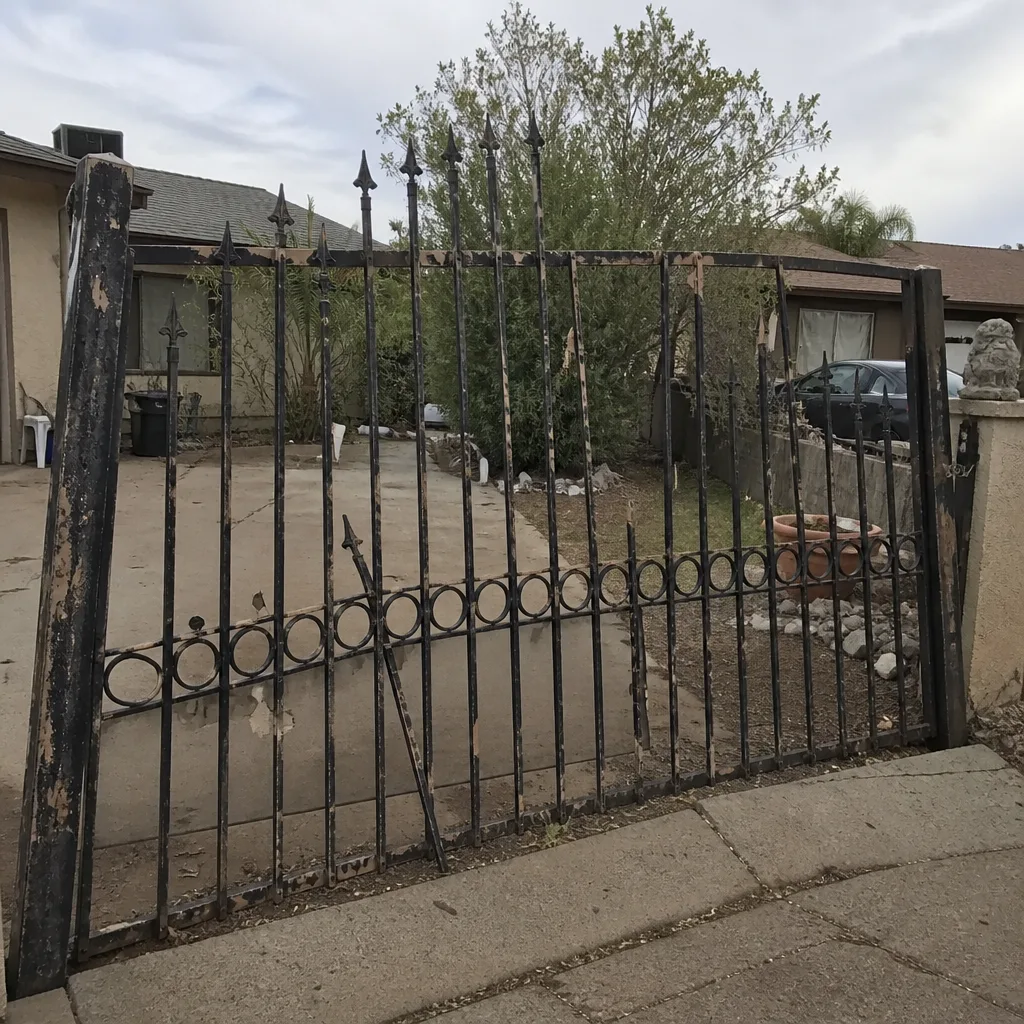 Before
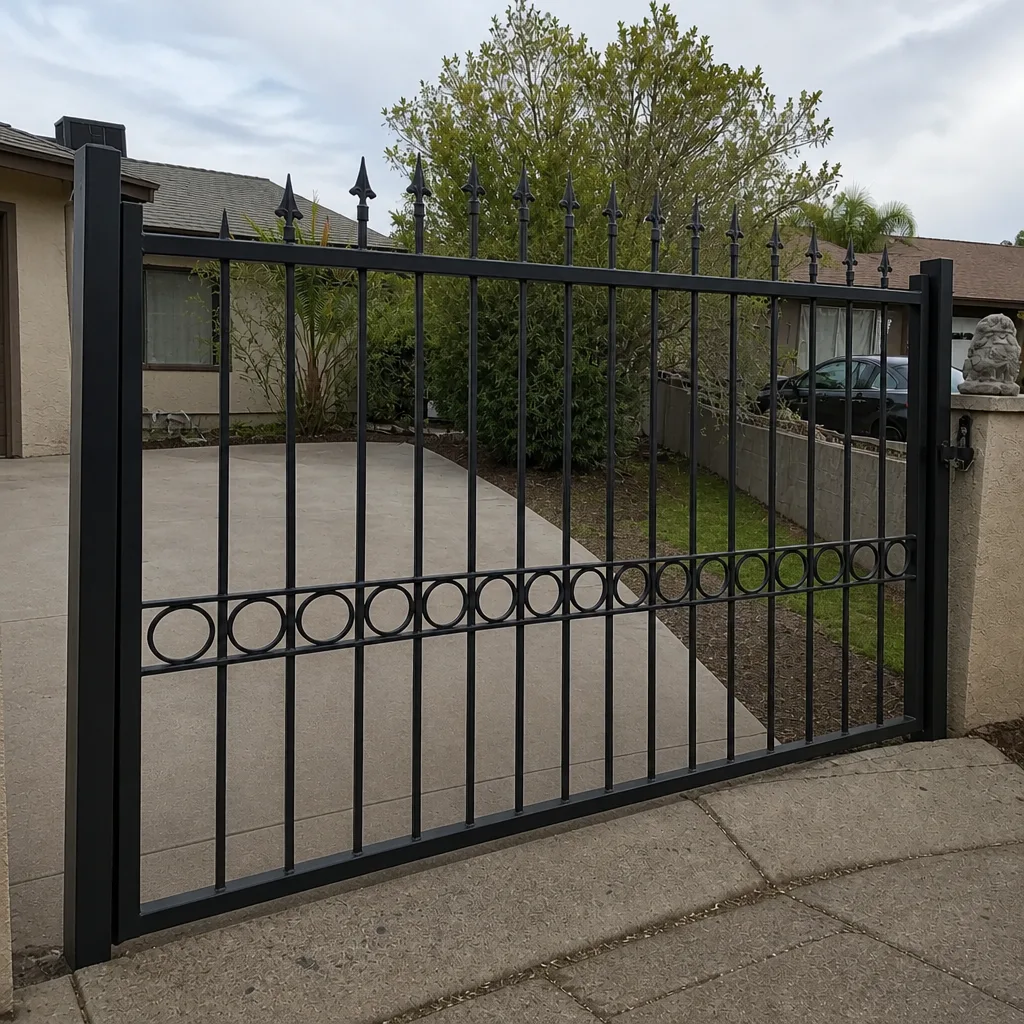 After
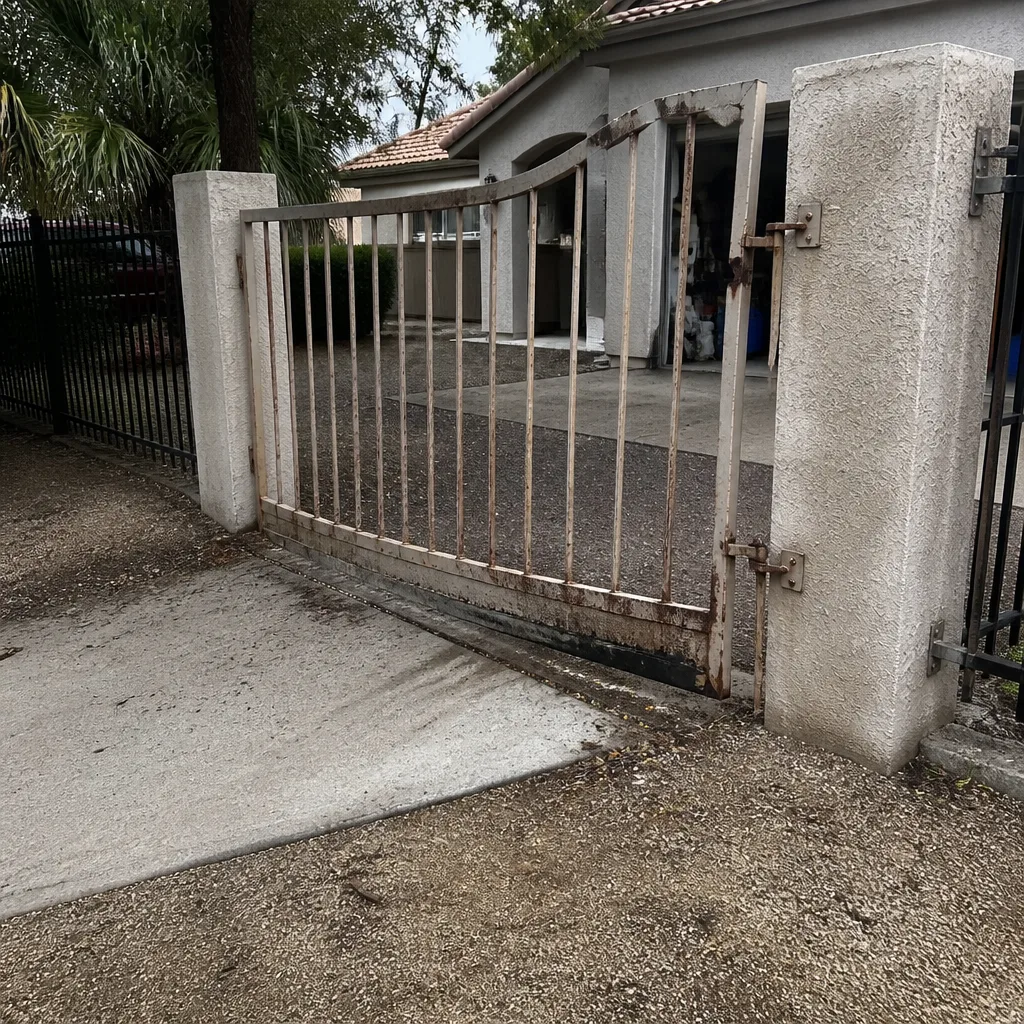 Before
 After
 Before
 After
When to Call a Professional
A gate’s moving parts and its electric operator’s wiring are not a do-it-yourself job. A heavy gate panel can crush, a slide gate can come off its track, and an automated operator carries line voltage, control boards, and safety-edge circuits that require training to diagnose safely. If your gate won’t open or close, moves erratically, stops mid-travel, or throws an error on its control panel, call a specialist rather than probing the wiring or the mechanism yourself. Any service involving power to the operator or the safety edges should be left to a trained professional. Our technicians have up to 13 years of experience, and we diagnose the actual fault across whatever brand you own. Gate Repair Surprise offers free estimates in Surprise, and our written estimate sets the final price before any work starts. Call (877) 657-0401. We answer 24/7. Fast dispatch from 7am to 7pm, Sunday through Friday.
Frequently Asked Questions
There’s no single best brand for every property. The right brand is the one whose duty class, heat tolerance, and local parts support match your gate’s weight and daily cycles. For most single-driveway homes, a well-specified LiftMaster, FAAC, or Linear operator works well; for HOA entrances, DoorKing and Elite are common. Call (877) 657-0401 for an exact recommendation based on your gate, and estimates are free.
If your operator overheats, pauses, or refuses to open after busy periods, it’s likely running past its rated duty cycle. That’s the most common under-spec failure we see on HOA gates in the Surprise area. Count your daily cycles and compare them to the operator’s rating. A specialist can measure this on site and confirm it. Call (877) 657-0401 to schedule a free estimate.
Sustained summer temperatures above 110°F stress motors, control boards, capacitors, and backup batteries, making heat-driven electrical faults more common than in milder climates. Brands that publish clear ambient temperature ratings and use well-shaded metal control enclosures hold up better. If your automated gate is acting up in the summer, call (877) 657-0401 for a diagnosis and a free estimate.
Parts availability changes over time, so the reliable way to judge it is to ask a local gate company how they source and diagnose your brand. A brand-agnostic specialist works across LiftMaster, FAAC, BFT, Linear, Viking, Ghost Controls, DoorKing, Elite, and Mighty Mule, which means fewer dead ends when a part is needed. Call (877) 657-0401 to ask about your specific brand and get a free estimate.
Yes, usually. An HOA entrance gate cycles far more often than a driveway gate and needs commercial-grade duty and access control integration, often from brands like DoorKing or Elite. Many HOA management companies keep an approved brand list for exactly this reason. If your community is due for repair or replacement, call (877) 657-0401 for a free estimate.
It can. Brands with proprietary parts often perform well but carry higher replacement costs and manufacturer-only lead times, which can raise your ten-year cost of ownership. Open parts ecosystems can be cheaper and faster to source, though part quality varies. The honest answer depends on your usage and the brand. Call (877) 657-0401 for a free estimate and a straight assessment.
The Bottom Line
Choosing a gate brand in Surprise comes down to four things: the right duty class for your real cycle count, heat tolerance for the long hot summers, dependable local parts and technician support, and a clear view of your long-term cost of ownership. Features and popularity are secondary. Match the spec to how your gate is actually used, confirm the brand can be serviced here, and weigh proprietary against open parts. Do that, and you’ll pick a brand you can keep running, not one you regret buying. When you need repair, automation diagnostics, or installation across any of nine major brands, one call covers it, and the price is set by a written estimate before any work begins.
Ready to settle on a brand or get a failing gate fixed? Call (877) 657-0401 for a free estimate. We answer 24/7. Fast dispatch from 7am to 7pm, Sunday through Friday. Our technicians have up to 13 years of experience and work on whatever gate you have.
Written by the team at Gate Repair Surprise.